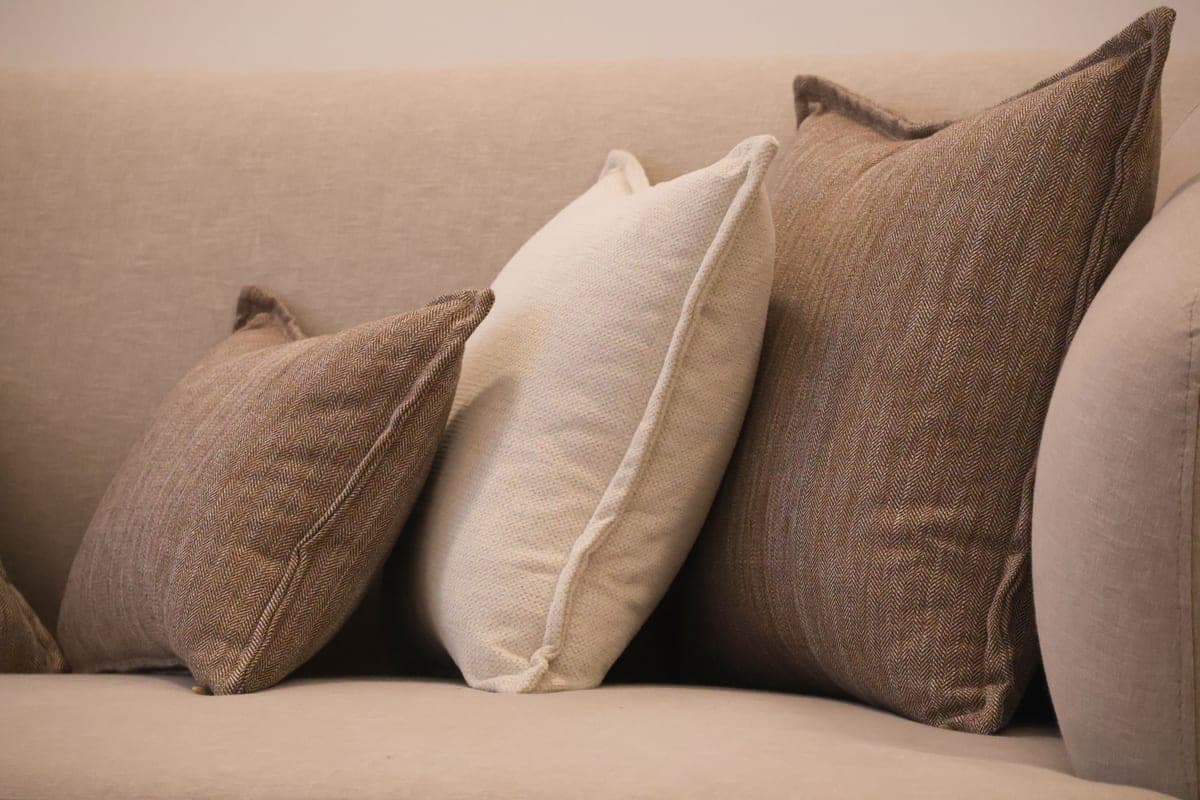
MIULEE Chunky Knit Throw Pillow Covers
Best for cozy texture
Chunky knit covers in cream and soft gray that add the tactile warmth hygge is built on.
Styles
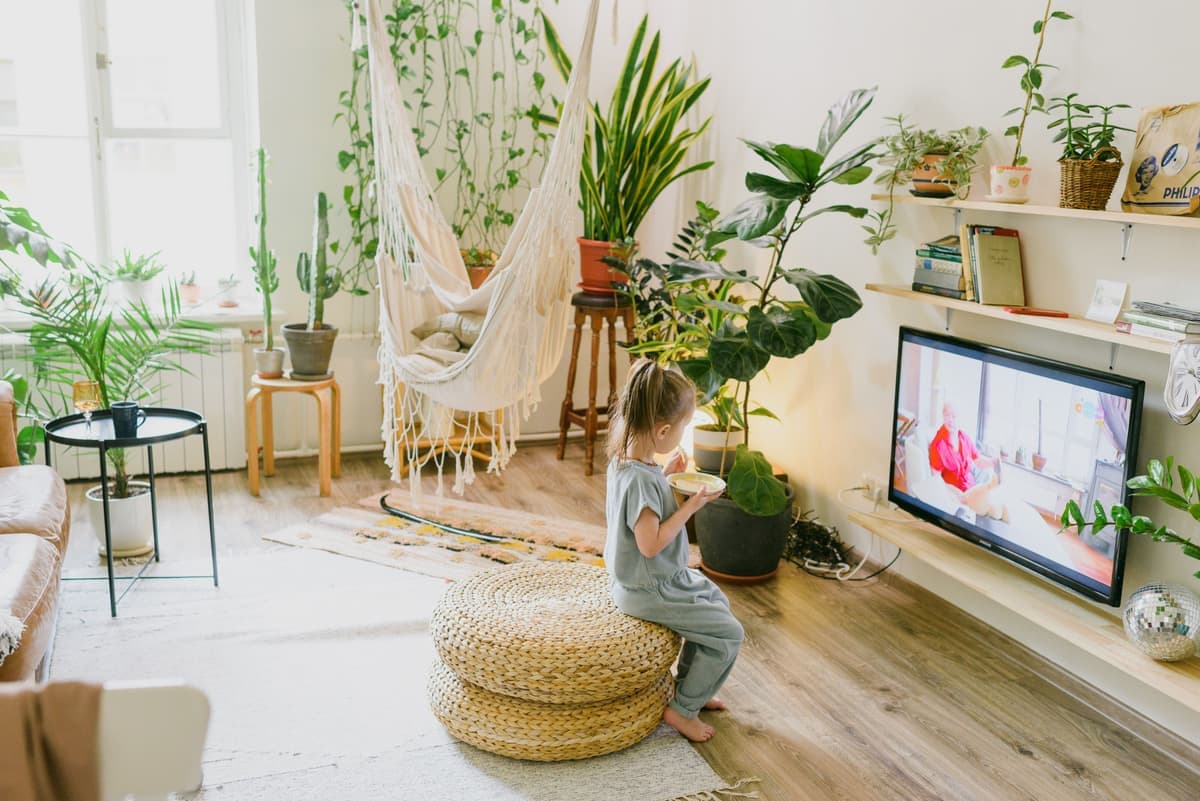
Pale woods, soft neutrals, and cozy hygge textures: warm, calm minimalism that still feels lived-in.
By Catherine Vizcaino · Home-renovation pro & founder
Updated August 2026

As an Amazon Associate, I Heart My Home earns from qualifying purchases. It never changes your price or our picks. Learn more.
Scandinavian style is what people mean when they say a room feels “calm but cozy.” It grew out of the Nordic countries in the mid-twentieth century, and its whole philosophy is functional minimalism: pale woods, a white-and-soft-neutral palette, clean simple shapes, and nothing in the room that does not earn its place. It is minimalism, but the warm, human kind, not the cold, empty kind.
The thing that keeps Scandi from feeling sterile is a Danish idea called hygge — roughly, cozy contentment. In practice that means layering soft textures (a chunky knit throw, a sheepskin, a wool cushion) and warm, low light over that clean pale backdrop. As someone who renovates homes for a living, I think of Scandi as the most livable minimalism there is, which is why it works so well in small spaces where every piece has to pull its weight.
Below is a real shop-the-look you can order today. Because the palette is simple, a lot of the character comes from inexpensive texture and lighting, so it is a genuinely budget-friendly style — our best home decor under $50 list pairs well with this page. Amazon prices move around, so each card shows a Check price on Amazon button instead of a number I cannot promise; see our affiliate disclosure for how that works.
Best for cozy texture
Chunky knit covers in cream and soft gray that add the tactile warmth hygge is built on.
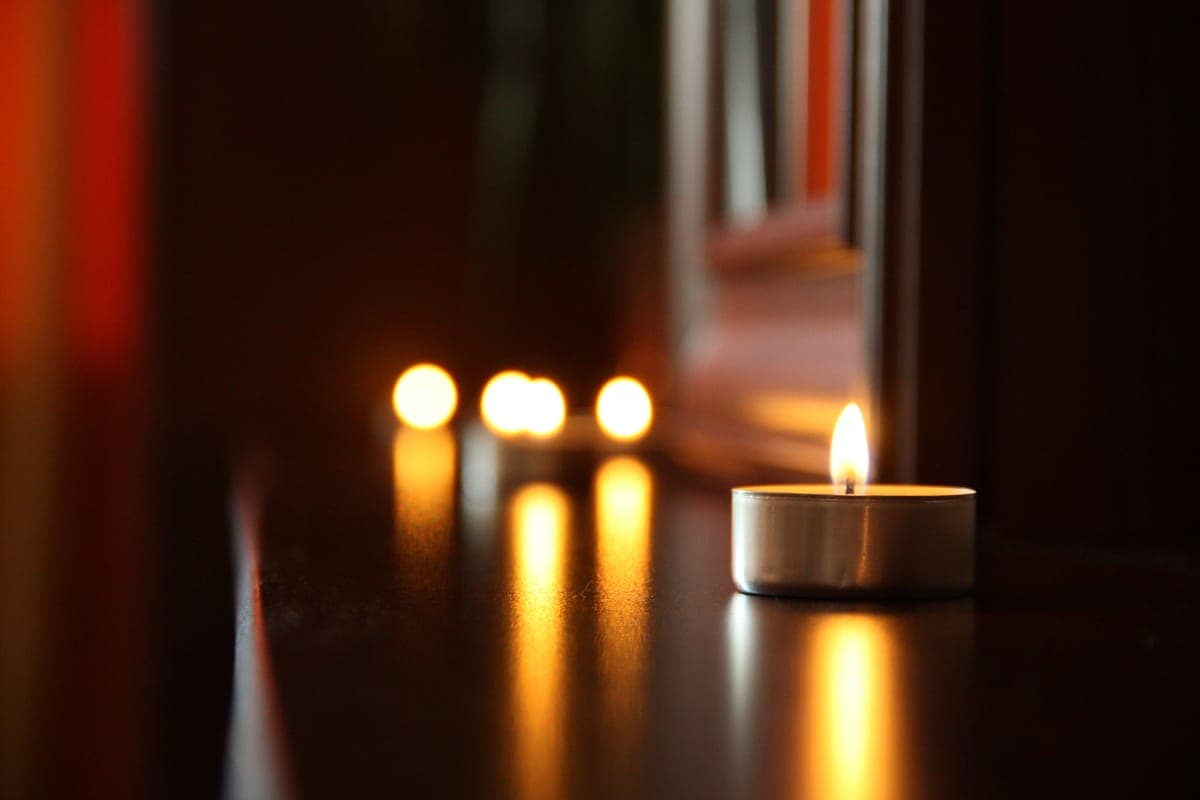
Best for warm hygge light
Flickering flameless pillar candles that deliver the warm, low glow at the center of hygge, safely.
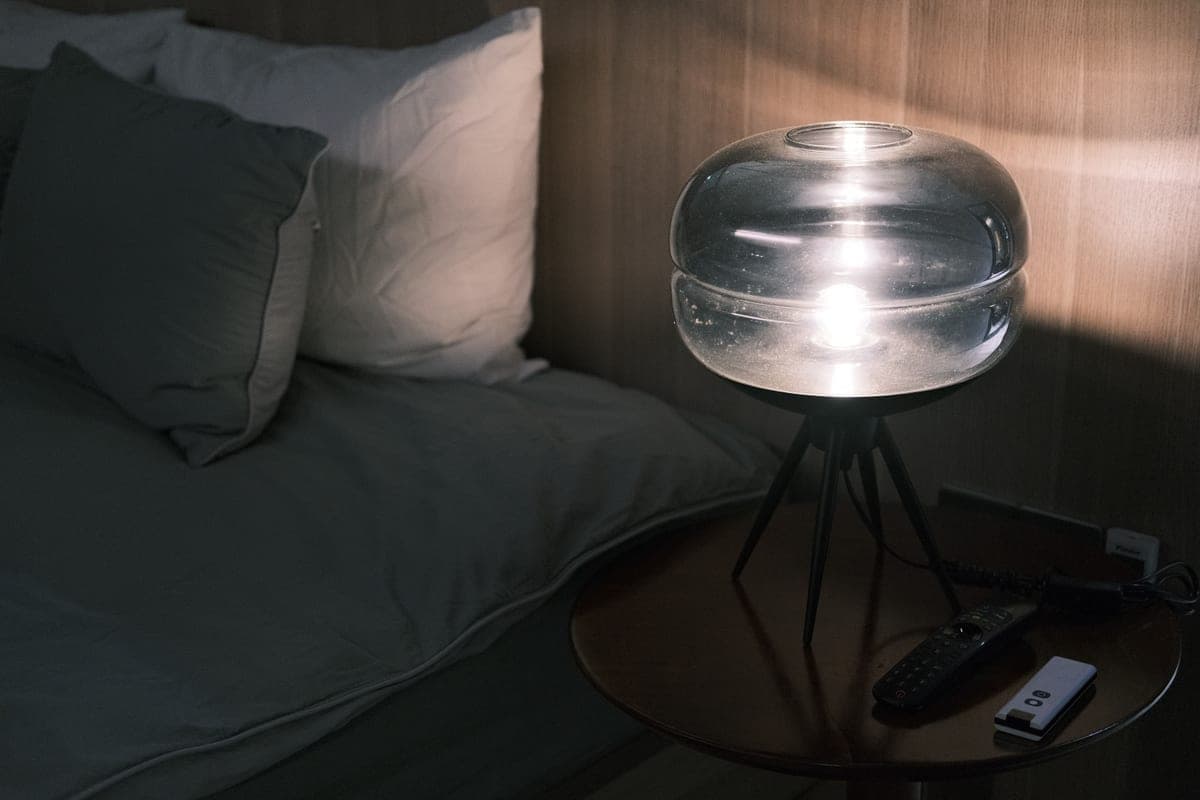
Best for a warm second light source
A pale wood-based lamp with a simple fabric shade that adds low, warm light and a natural material at once.
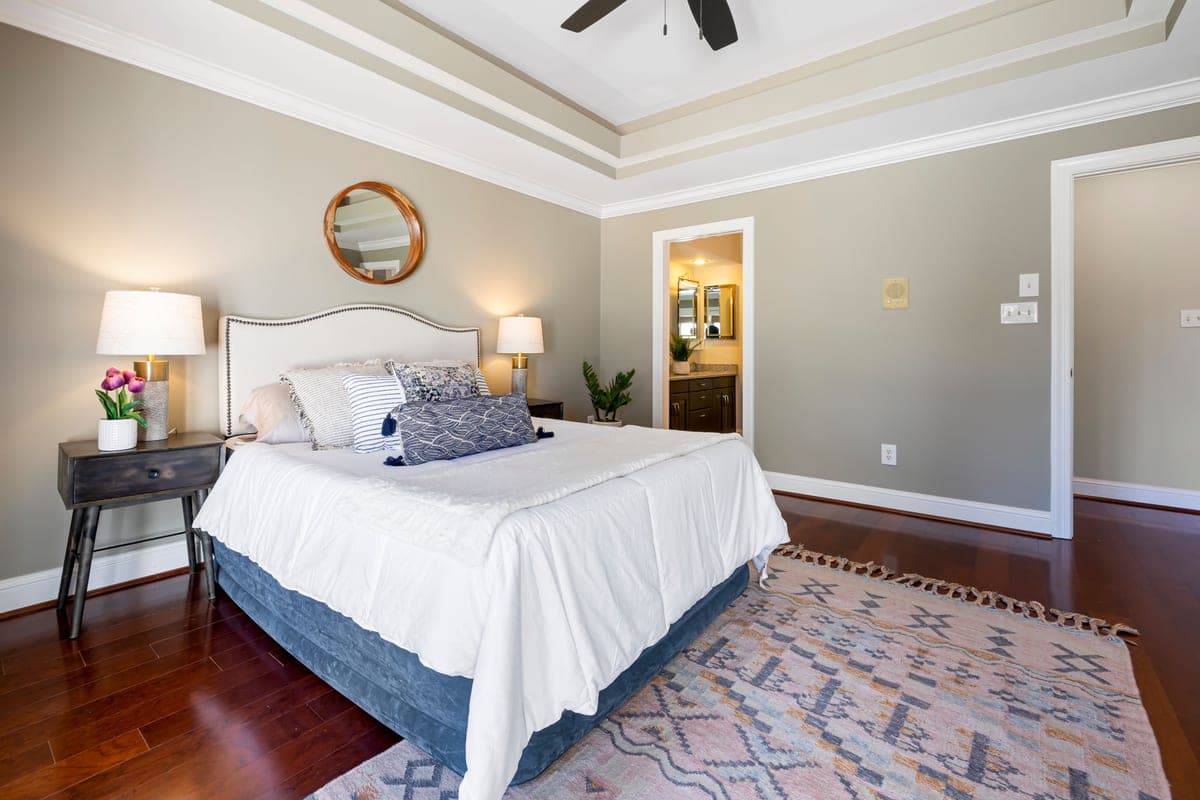
Best for pale wood minimalism
A low, clean-lined wood platform bed that captures Scandi minimalism and skips the need for a box spring.

Best for quiet, simple walls
A set of framed minimalist line drawings in black on cream that keeps Scandi walls calm and intentional.
Best for a single sculptural plant
A faux olive tree with soft green-gray leaves that brings quiet life to a Scandi corner, no watering required.
Two ideas sit under this style. The first is Scandinavian design, the mid-century Nordic movement built on functional minimalism: simple, useful shapes, honest natural materials, pale wood, and a light, restrained palette. Nothing is ornamental for its own sake. The second is hygge, the Danish sense of cozy contentment, which is what stops all that minimalism from feeling cold.
Put together, the look comes down to a few honest signals:
You can read more on the movement’s history and philosophy on Wikipedia, but on the ground it comes down to keeping things simple, then adding warmth back through texture and light.
Scandinavian is one of the easier looks to get right because the palette does so much of the work. Keep the big surfaces calm, then earn warmth through material and light rather than color:
The discipline is in editing. Scandi rooms hold few objects, but the ones they keep are chosen with care, so resist the urge to fill every surface.
Functional minimalism is a gift in a small or rented home, because every piece has to justify itself and clutter has nowhere to hide. The pale palette makes tight rooms feel larger and brighter, and the restrained furniture count keeps a small floor plan from feeling packed. If you are working with limited square footage, our small space solutions guide and the affordable picks in our best home decor under $50 roundup both lean naturally in this direction.
Scandi also shares clear DNA with a couple of styles you may already like. The pale-wood, cozy-texture side of it overlaps with the farmhouse look, which is a warmer, more rustic cousin, while its clean lines and minimalism connect it to mid-century modern. If any of those overlap with what you already own, you are closer to a Scandi room than you think.
Scandinavian design is a Nordic style built on functional minimalism: simple, useful shapes, pale woods like ash and light oak, a white and soft-neutral palette, and honest natural materials. What sets it apart from plain minimalism is that it pairs that clean backdrop with cozy textures and warm, low light, so the room feels calm and inviting rather than stark.
Hygge is a Danish idea that translates roughly to cozy contentment, and you can read more about it on Wikipedia. At home you create it with soft textures like chunky knits and sheepskin, plenty of warm low light from lamps and candles, natural materials, and an uncluttered room. It is less about buying more and more about layering warmth and calm into what you have.
Yes. Scandinavian style has been a steady mainstream favorite for years, and it holds up well in 2026 because its warm, texture-and-light take on minimalism suits how people actually want to live. It is also a natural fit for the small spaces and rentals so many people are decorating right now.
Plain minimalism strips a room down and can feel cool, even austere. Scandinavian style starts from the same pared-back, functional foundation but deliberately adds warmth back through pale wood, cozy textures like knits and sheepskin, and soft, low lighting. The short version: Scandi is minimalism made warm and livable rather than empty.
The fix is always texture and light. Layer chunky knits, wool, and a sheepskin, lean on pale wood rather than cool gray, and swap bright overheads for warm 2700K bulbs and candles. Adding one calm plant helps too. Our best throw blankets and home lighting guide both help you build that warmth in without breaking the calm palette.
Browse the roundups I'd actually hand a client — honest picks, real trade-offs, and the one to buy first.