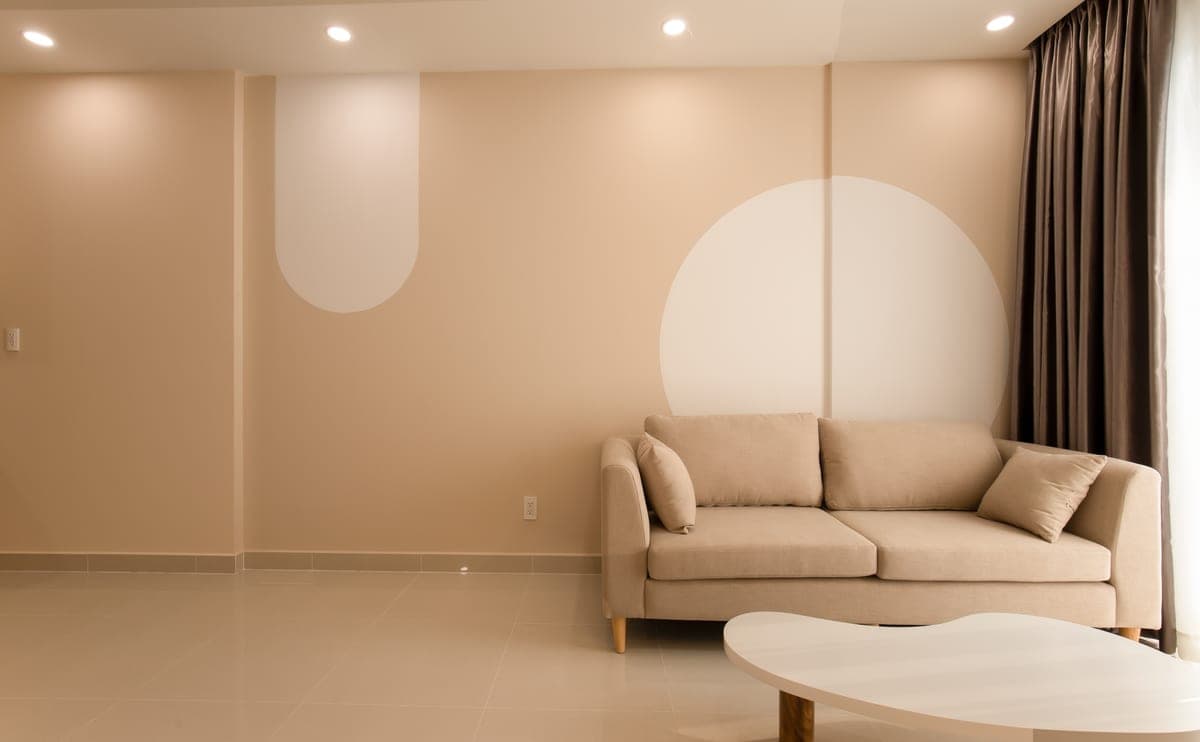
Rivet Sloane Mid-Century Modern Sofa
Best for the room's anchor
A clean-lined, tight-back sofa that anchors a room without swallowing it.
Rooms
The shop-the-look and the layer-by-layer order I use to make a living room feel finished.
By Catherine Vizcaino · Home-renovation pro & founder
Updated August 2026
As an Amazon Associate, I Heart My Home earns from qualifying purchases. It never changes your price or our picks. Learn more.
The living room is the hardest room in the house to get right, because it’s asked to do the most: host, relax, watch, read, and look pulled-together while three other things are happening in it. After years of renovating homes for a living, I can tell you the rooms that feel “finished” almost never got there by buying a matching set. They got there by choosing one honest anchor piece and layering outward in the right order.
That order is the whole game: anchor → lighting → soft goods → decor last. Get the big pieces and the light right, and the throw pillows and art almost place themselves. Below is the exact shop-the-look I’d build a warm, livable living room around, plus how to layer it and where it’s worth spending.
One honesty note: Amazon prices move constantly, so every pick shows a Check price on Amazon button instead of a number I can’t promise. See our editorial policy for how picks are chosen, and our affiliate disclosure for how the links work.
Best for the room's anchor
A clean-lined, tight-back sofa that anchors a room without swallowing it.
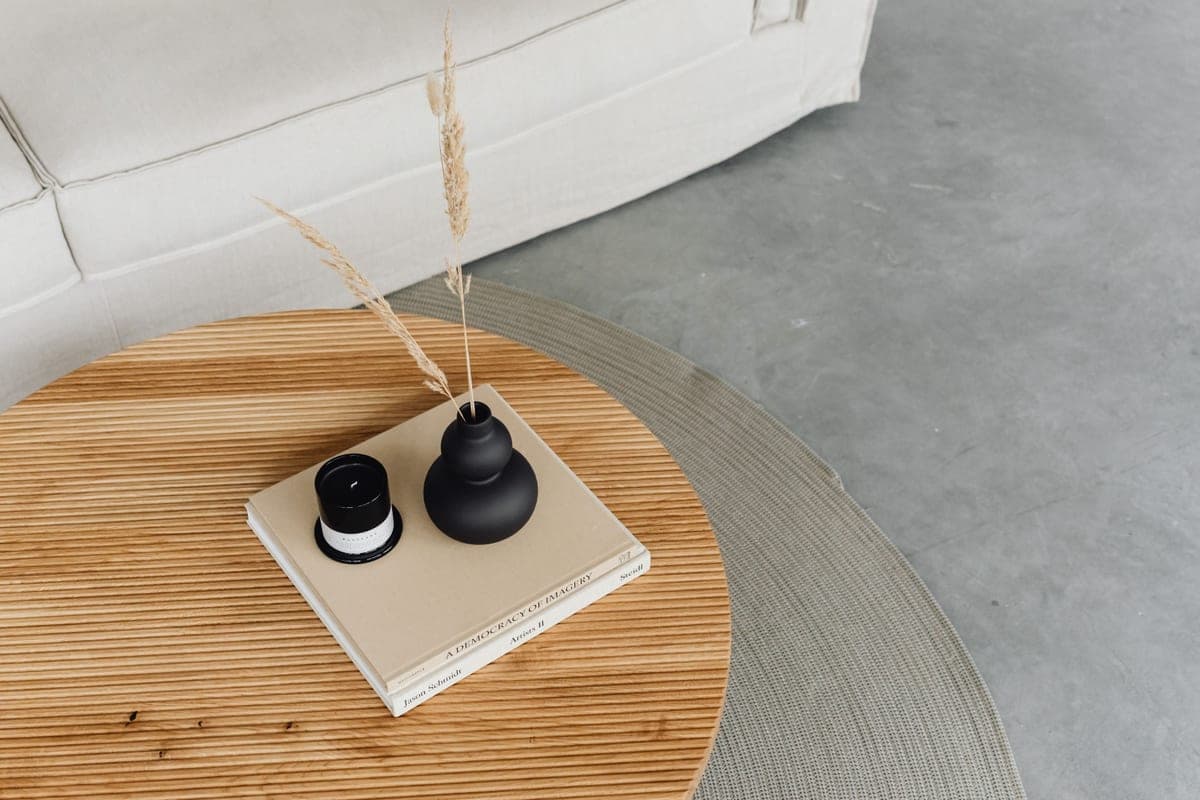
Best for a warm wood centerpiece
A warm-toned wood table that grounds the seating group and hides the remotes.
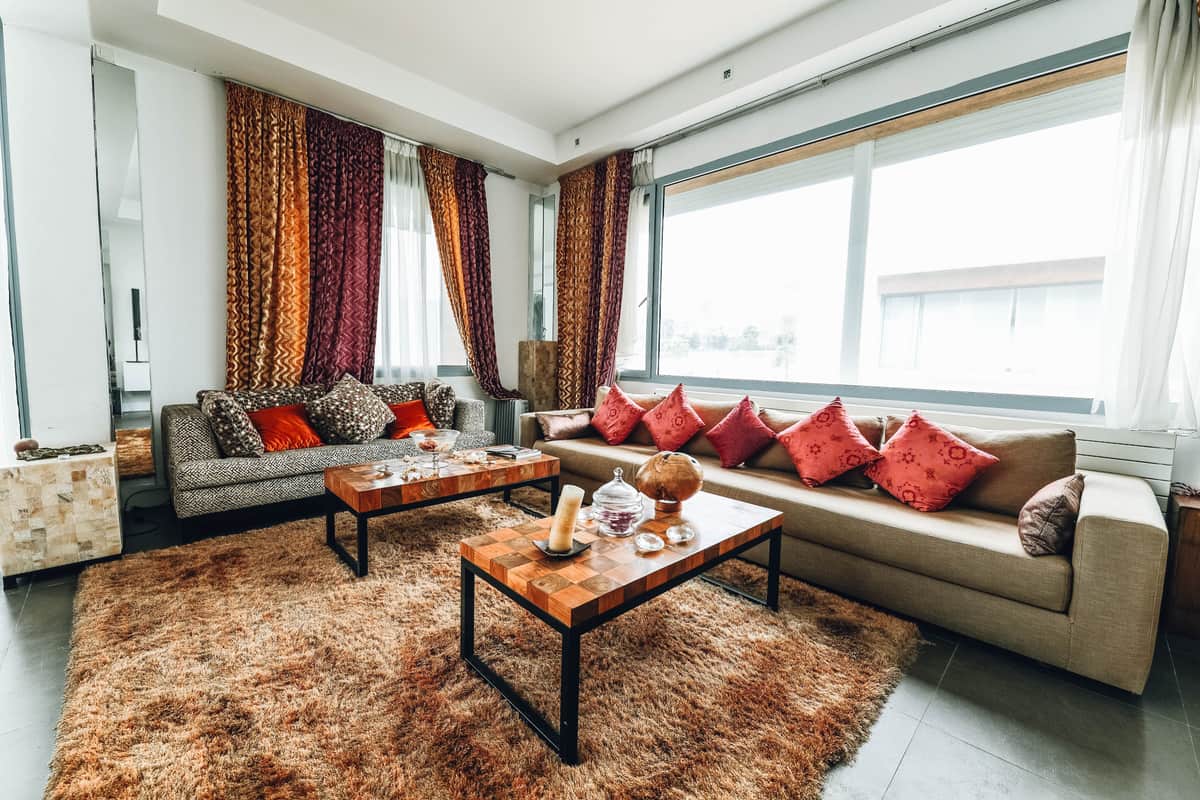
Best for grounding the seating area
A patterned rug big enough to tie the sofa, chairs, and table into one group.
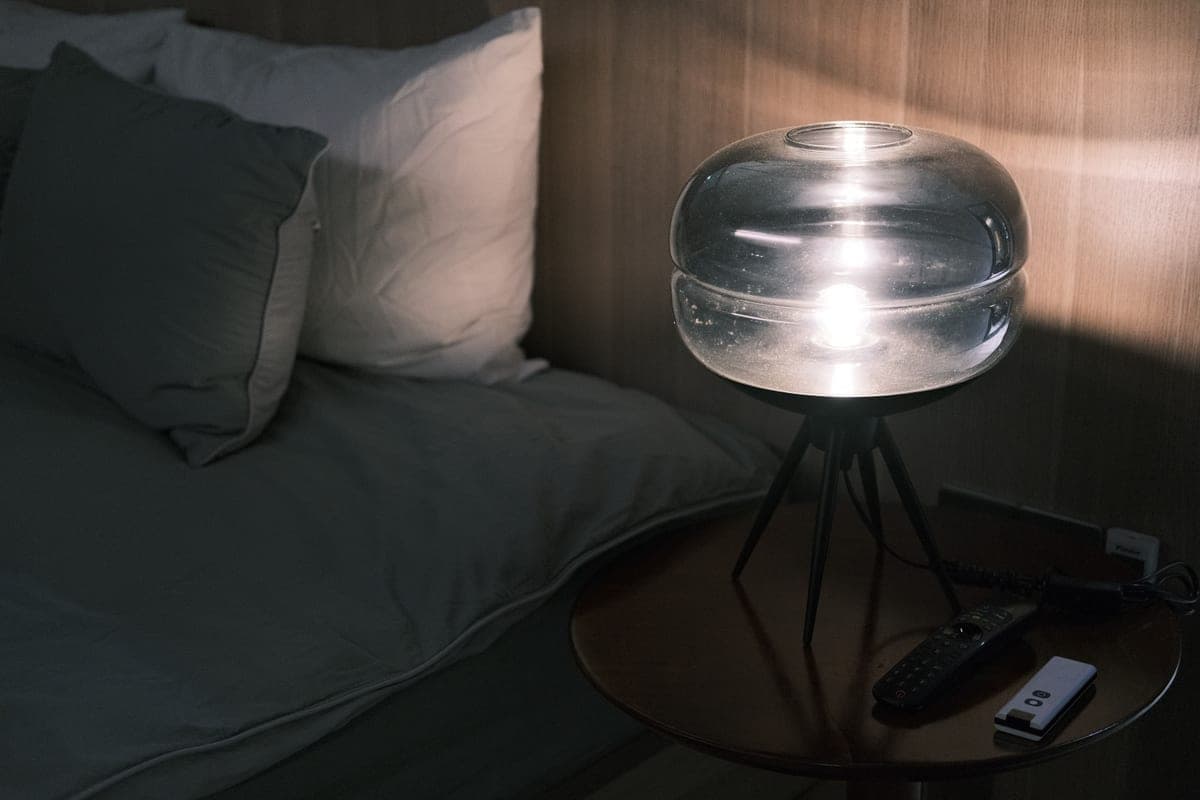
Best for ambient corner light
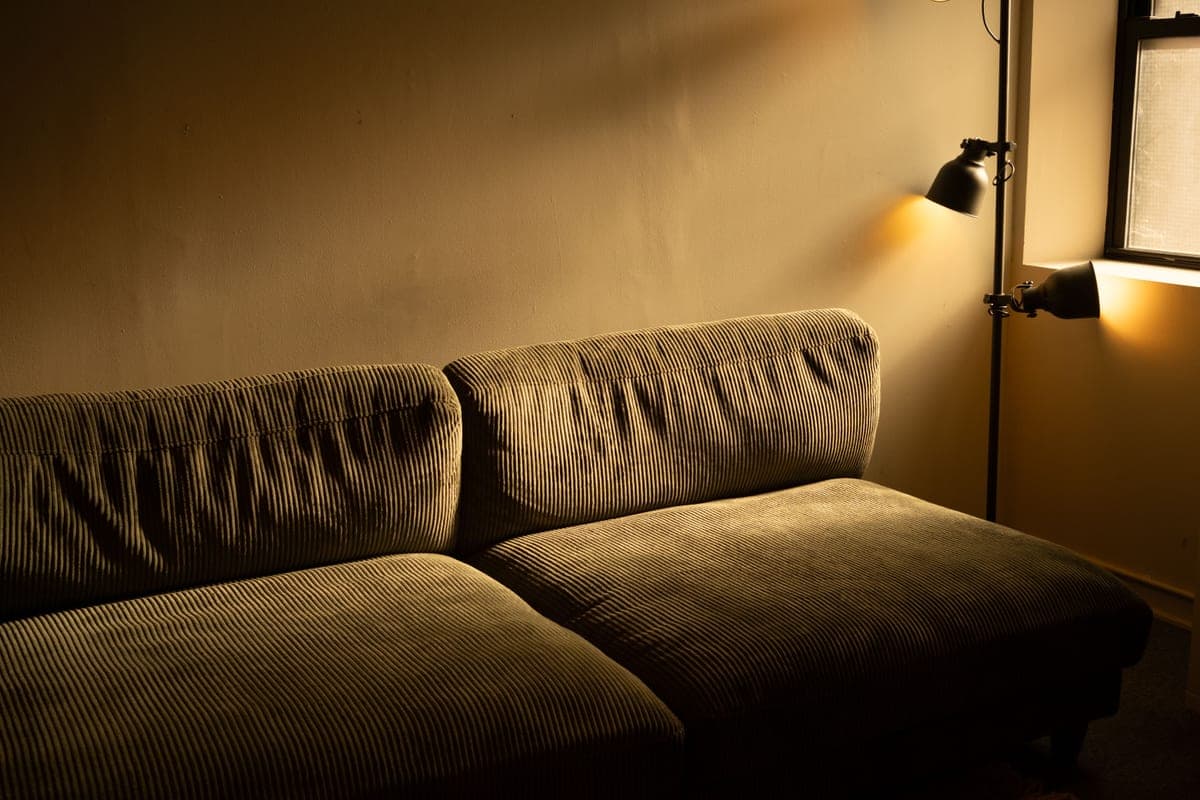
A slim floor lamp that adds a second light source and warms up a dark corner.

Best for the finishing layer
A coordinated set of framed prints that fills blank wall without a design degree.
Before you buy a single throw pillow, decide on your anchor. In a living room that’s almost always the sofa — it’s the biggest piece, the one you touch most, and the one everything else has to get along with. Pick it first, in a color and scale you can live with for a decade, and the rest of the room becomes a series of easy decisions instead of a gamble.
Scale is where people slip. Measure the wall the sofa will sit against and the doorways it has to pass through before you fall in love with anything. A sofa should leave breathing room on either side, not wedge wall-to-wall. As a rough guide I keep 30 to 36 inches of walkway around the main path and let the coffee table sit about 14 to 18 inches from the sofa — close enough to reach a drink, far enough to walk past. These clearances aren’t fussy; Architectural Digest’s room-layout guidance lands in the same range, and they’re the difference between a room that flows and one you’re always squeezing through.
Not sure whether to lead with the sofa or a bold rug? Either can anchor a room; just commit to one hero and let the other play support. For more picks across the whole category, our best furniture guide and furniture brand breakdown are the place to start.
Every well-put-together room I’ve ever built followed the same sequence. Work it in order and you rarely have to redo anything:
The reason the order matters: each layer’s job is to respond to the one before it. If you buy pillows before you own the sofa, you’re guessing. Warm, layered lighting is the single biggest lever — the ENERGY STAR guidance on choosing bulbs by color temperature is worth a two-minute read, and I’d aim for warm white (around 2700K) everywhere in a living space.
Spend on what your body touches and what carries the room’s weight: the sofa and the rug. A sofa gets sat on daily for years, and a rug that’s the right size does more for a room than almost anything else, so those are worth real money. Everything downstream — lamps, art, pillows — can be affordable and still look great, because by then the room is already working.
Where I happily save: accent decor, seasonal pillows, and frames. Those are meant to change. If you’re furnishing a whole room on a tight number, our decorate-on-a-budget guide and cheap home decor picks stretch the finishing layers the furthest. And if you inherit or thrift a solid wood piece, a little care goes a long way — see our furniture polish guide before you write off a scratched table.
Want the room to lean a specific direction? A warm, wood-forward rustic style is the most beginner-friendly way to make these pieces feel collected rather than catalog-bought.
Size up. In most living rooms you want the rug large enough that at least the front legs of the sofa and chairs sit on it — commonly 8 by 10 feet for a standard room, or 9 by 12 for a large one. A little rug floating in front of the sofa is the fastest way to make a room feel undersized. The Spruce has a good visual guide to the standard rug layouts.
It doesn’t have to. Pulling a sofa even a few inches off the wall gives a room depth and lets air and light move behind it. In a small room, against the wall is fine to save space; in a larger room, floating the seating group on a rug looks more designed.
Aim for at least three at different heights — a floor lamp, a table lamp, and the ceiling fixture — so you can mix and dim them. Relying on one overhead light is the most common reason a nice room still feels flat and unfinished. A dimmer on even one of them is the cheapest upgrade in lighting.
Match the sofa: a coffee table should sit roughly level with, or an inch or two below, the seat cushions, and run about two-thirds the length of the sofa. Leave 14 to 18 inches between the table and the sofa so there’s room to walk and reach.
No — matching sets are the fastest way to make a room look like a showroom floor. Pick pieces that share a wood tone or a metal finish and vary the shapes. A room reads more collected and expensive when the pieces coordinate instead of match.
Browse the roundups I'd actually hand a client — honest picks, real trade-offs, and the one to buy first.