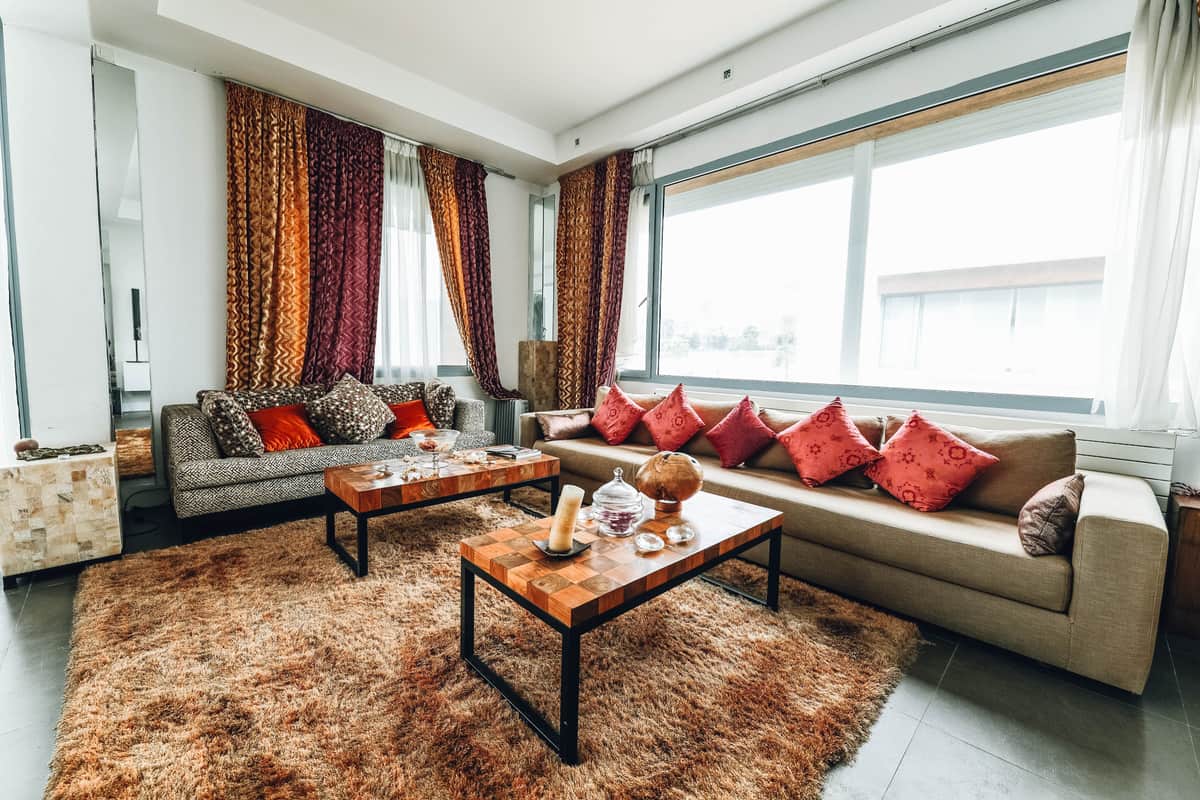
nuLOOM Area Rug
Best for grounding a room
The one piece that pulls a whole room together. Buy it bigger than you think.
A working renovator's map for decorating any room, one move at a time.
By Catherine Vizcaino · Home-renovation pro & founder
Updated August 2026
As an Amazon Associate, I Heart My Home earns from qualifying purchases. It never changes your price or our picks. Learn more.
Decorating a home is one of those projects that feels enormous until you break it into moves. Most people don’t stall because they lack ideas — they stall because they have too many at once, with no order to them. After years of walking clients through renovations, I’ve learned that a room comes together in a predictable sequence, and once you can see it, decorating stops feeling like guesswork and starts feeling like a checklist.
This is the page I’d hand a friend who just moved in and asked, “Where do I even start?” It’s a map, not a rulebook: room-by-room ideas, style directions, budget-friendly wins, quick weekend upgrades, seasonal touches, and the mistakes I see most often. Every section links to a deeper guide, so you can follow the one thread that fits your space instead of trying to read everything at once.
A quick honesty note: I’m an Amazon Associate, so some links earn a small commission — it never changes your price or which products I recommend. You’ll see a Check price on Amazon button instead of a number, because prices move constantly and I won’t promise one I can’t keep. Read our editorial policy for exactly how these picks are chosen.
Best for grounding a room
The one piece that pulls a whole room together. Buy it bigger than you think.
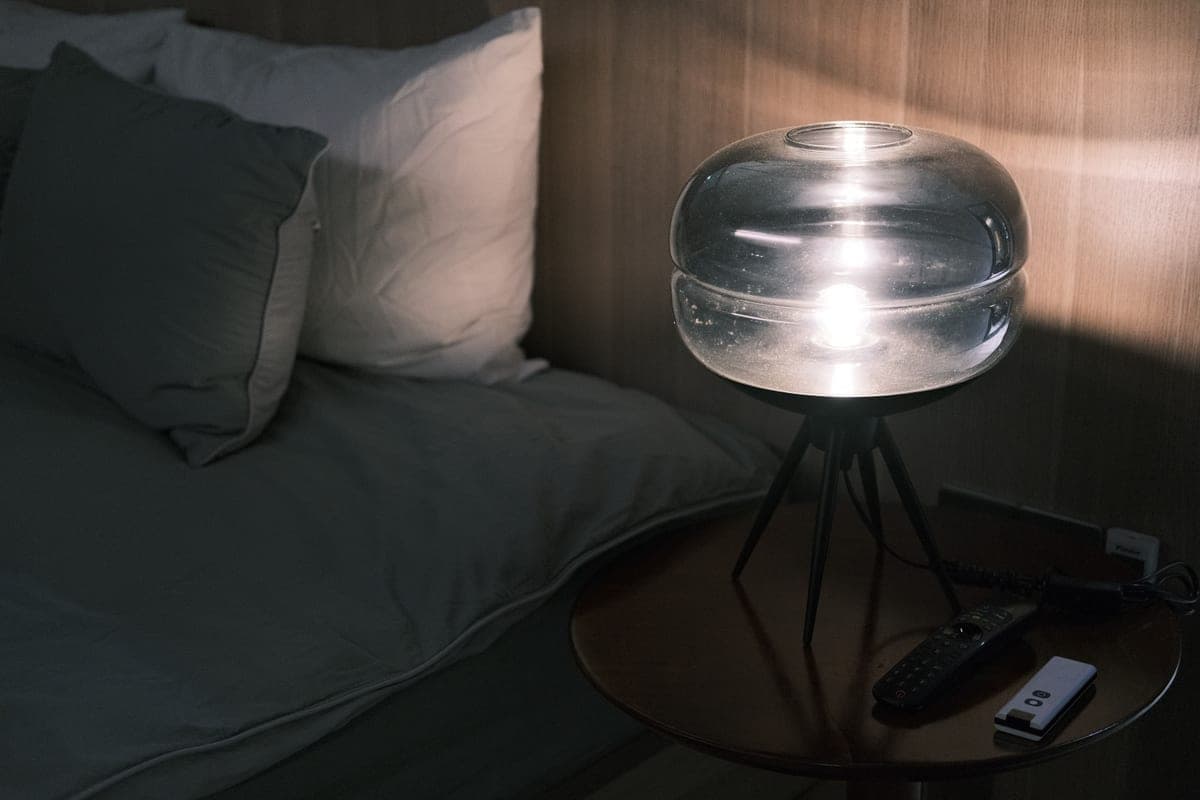
Best for warm, layered light
Layered lamplight is the fastest way to make a room feel finished, not fluorescent.

Best for an easy gallery wall
A matched frame set is the cheapest path to a gallery wall that looks intentional.
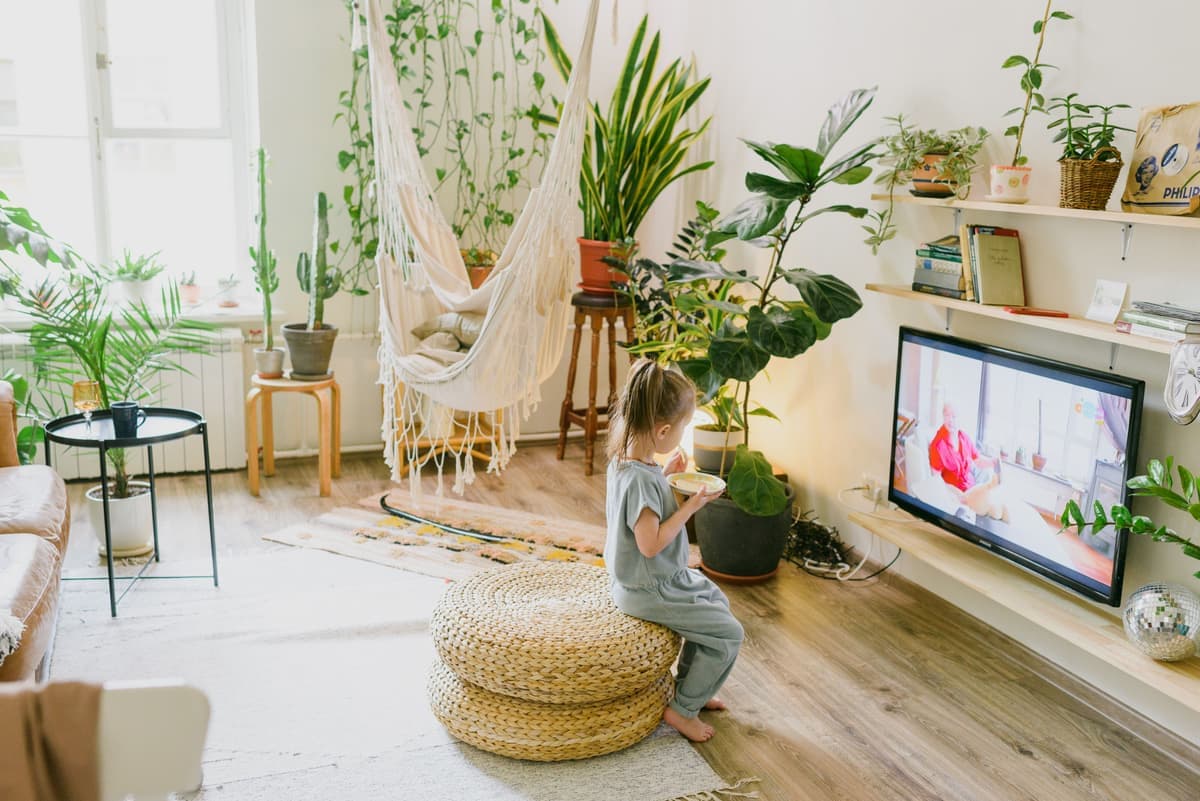
Best for life in dark corners
Good faux stems bring life to the corners where real plants just won't survive.
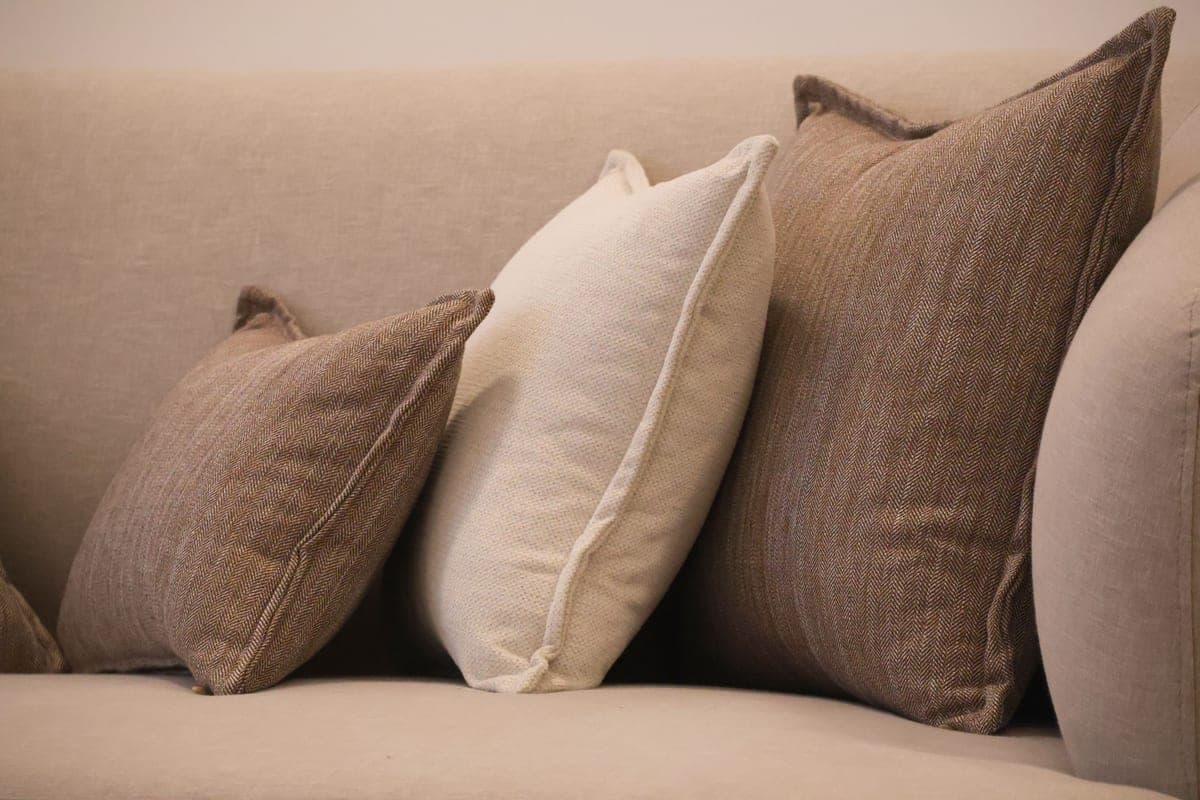
Best for instant texture
Mixed-texture covers are the highest-impact, lowest-cost change in all of decorating.
The biggest reason decorating feels overwhelming is that people shop for objects before they’ve decided what a room needs to do. Walk in and ask a simpler question first: what actually happens here? A living room that hosts movie nights wants a deep sofa, soft light, and a rug that pulls the seating together. A bedroom that’s really a retreat wants layered bedding, a lamp you can reach half-asleep, and as little visual noise as possible. Answer the “what happens here” question and half your decorating decisions make themselves.
Once you know the job, work in layers from the ground up: anchor the floor, add the big pieces, then light it, then soften it, then style the surfaces. That order matters, because the rug sets the palette and the lighting sets the mood, and everything you buy afterward should answer to those two. I walk through this layer-by-layer approach for the three rooms people ask about most: our living room ideas, bedroom ideas, and home office ideas, each with a starting order and the pieces I’d buy first.
If you’re decorating a whole house, don’t try to finish every room at once. Pick the room you spend the most waking hours in — usually the living room or a combined living-dining space — and get it to “done enough” before you move on. A single finished room gives you a palette and a confidence level to carry everywhere else, and it keeps you from spreading a small budget so thin that nothing looks complete. Browse all of our room-by-room guides when you’re ready to take on the next one.
“What’s my style?” is the question that freezes people, and it shouldn’t. You don’t need to name it perfectly; you need a direction consistent enough that your pieces look related. The fastest way to find yours is to save ten rooms you love and look for what repeats — the wood tones, the colors, whether the spaces feel spare or layered. That pattern is your style, whatever label you eventually put on it.
A few directions are having a real moment in 2026, and they’re beginner-friendly because the pieces are easy to find. Vintage decor mixes old and new so a room feels collected over time instead of bought in one trip, and it’s forgiving because nothing has to match. Rustic decor leans on natural wood, warm textures, and honest materials — cozy, tactile, and hard to get wrong. And maximalist decor embraces color, pattern, and more-is-more layering for people who find plain rooms boring. See all of our home decor styles if you want to compare them side by side.
Whatever direction you choose, let it guide a short shopping list rather than a shopping spree. Pick your wood tone and your two or three colors, then filter everything through them: if a piece doesn’t fit the palette or the mood, it doesn’t come home, no matter how good the deal looks. If you want to see where these looks are heading this year, our 2026 decor trends guide breaks down the colors and materials designers are actually using.
Decorating well is far more about editing and arranging than about spending. Some of the best-looking rooms I’ve been in were assembled slowly on a modest budget, and some of the most expensive were a pile of pricey things with no relationship to each other. If money is tight, spend it on the pieces you touch and use daily — the sofa, the mattress, the rug — and go affordable on everything decorative that sits on top of them.
A handful of cheap moves punch well above their price: swapping builder-grade cabinet and door hardware, adding a large mirror to bounce light and fake square footage, hanging simple linen-look curtains high and wide to make ceilings feel taller, and grouping a few plants or good faux stems. None of these cost much, and together they read as “this person has it figured out.” For a full list of high-impact, low-cost picks, see our cheap home decor roundup and the step-by-step decorate on a budget guide.
When you do buy online, buy on purpose, not by scrolling. Keep a running list of the specific things your room actually needs, then shop against that list so you’re not talked into a fourth throw pillow you didn’t plan for. Our roundup of the best home decor on Amazon is organized the same way — by the job each piece does — so you can find the one thing you came for and get out before the cart grows.
Not every improvement needs a plan or a truck. When a room feels “off” but you can’t say why, it’s usually one of a few fixable things, and most of them take an afternoon. Start by clearing every surface completely, then put back only what earns its place. A coffee table with three intentional objects beats one buried under eight, and the empty space is the point, not a problem to fill.
Here are the weekend wins I hand clients who want a fast, visible change:
Knock out two or three of these and the room will feel noticeably more considered by Sunday night, without a single big purchase. For more small, high-impact pieces, browse our picks for the best home decor items and everyday home goods that quietly make a place work better.
Seasonal decorating is where a lot of money goes to die — boxes of themed stuff used for three weeks and stored for eleven months. I’m all for marking the seasons, but do it with a light hand and pieces that earn their storage space. The trick is to change a few small things against a neutral, year-round backdrop rather than redecorating the whole room every October.
Keep your big pieces and palette steady, then rotate in seasonal accents: swap pillow covers (they store flat and cost a fraction of whole pillows), change a throw, and update what’s on the mantel or the entry console. Natural materials do the heavy lifting — real or realistic branches, dried stems, pumpkins and gourds in fall, evergreen and citrus around the holidays. They look expensive, cost little, and don’t scream “seasonal aisle.”
When you do buy seasonal, favor quality neutrals you’ll reuse for years over trendy one-note items you’ll be embarrassed by next season. A good set of stoneware, a natural wreath base, and a few warm-toned textiles carry from fall straight through winter. For specific, tasteful ideas by season, see our fall home decor guide, our restrained take on Halloween decor, and cozy Christmas decor that doesn’t take over the entire house.
After enough walk-throughs, the same handful of mistakes shows up again and again, and every one is easy to avoid once you know to look for it. The most common by far is the too-small rug: furniture marooned on bare floor with a little mat floating in the middle. A rug should unify the seating; in most living rooms that means an eight-by-ten or larger, with at least the front legs of every seat resting on it.
Close behind: art hung too high (aim for eye level, centered around 57 to 60 inches from the floor), one lonely ceiling light doing all the work (add lamps), and furniture pushed flat against every wall, which makes a room feel like a waiting area. Even pulling a sofa a few inches off the wall and floating the seating into a conversation group changes how a space feels instantly. Another quiet one is everything the same size and height; a room needs variation — tall and short, hard and soft, matte and shiny — to feel alive.
The last mistake is impatience: buying a whole room in one weekend because the empty space is uncomfortable. Rooms that look collected got that way over time. Buy the anchor pieces first, live with them, and let the finishing touches reveal themselves. If you’re furnishing from scratch, start with our guides to the best furniture and the most reliable furniture brands, then layer the decor on top once the bones are right.
Start with the floor and work up. Choose the rug first — it sets the palette and ties the furniture together — then add the large pieces, then lighting, then soft goods like pillows and throws, and finally the surface styling. Decide what the room needs to do before you buy a single object, and the rest of the decisions get much easier.
Spend on the things you touch daily — sofa, mattress, rug — and go affordable on everything decorative on top. High-impact, low-cost moves include swapping hardware, adding a large mirror, hanging curtains high and wide, and mixing pillow covers. Shop from a specific list so you don’t overspend by scrolling. Our cheap home decor picks and budget guide lay out the full playbook.
Spend more on the pieces you use hardest and keep longest: the sofa, the mattress, and a good-quality rug in a high-traffic room. These take daily wear and are expensive to replace. You can save on decorative accents — vases, art, faux greenery, pillow covers — which are cheap and easy to swap as your taste changes. Our best furniture guide covers where the money is worth it.
Save ten rooms you love and look for what repeats — wood tones, colors, and whether the spaces feel spare or layered. That pattern is your style, whatever you call it. You don’t need a perfect label, just a direction consistent enough that your pieces look related. Browse our home decor styles to put names and shopping lists to the looks you keep gravitating toward.
Layer the lighting with a couple of lamps and warm bulbs, size the rug up so the furniture sits on it, hang art at eye level, and add texture with a throw and mixed pillows. Those four moves can be done in a weekend and make the biggest visible difference for the least money — no big purchase required.
Browse the roundups I'd actually hand a client — honest picks, real trade-offs, and the one to buy first.