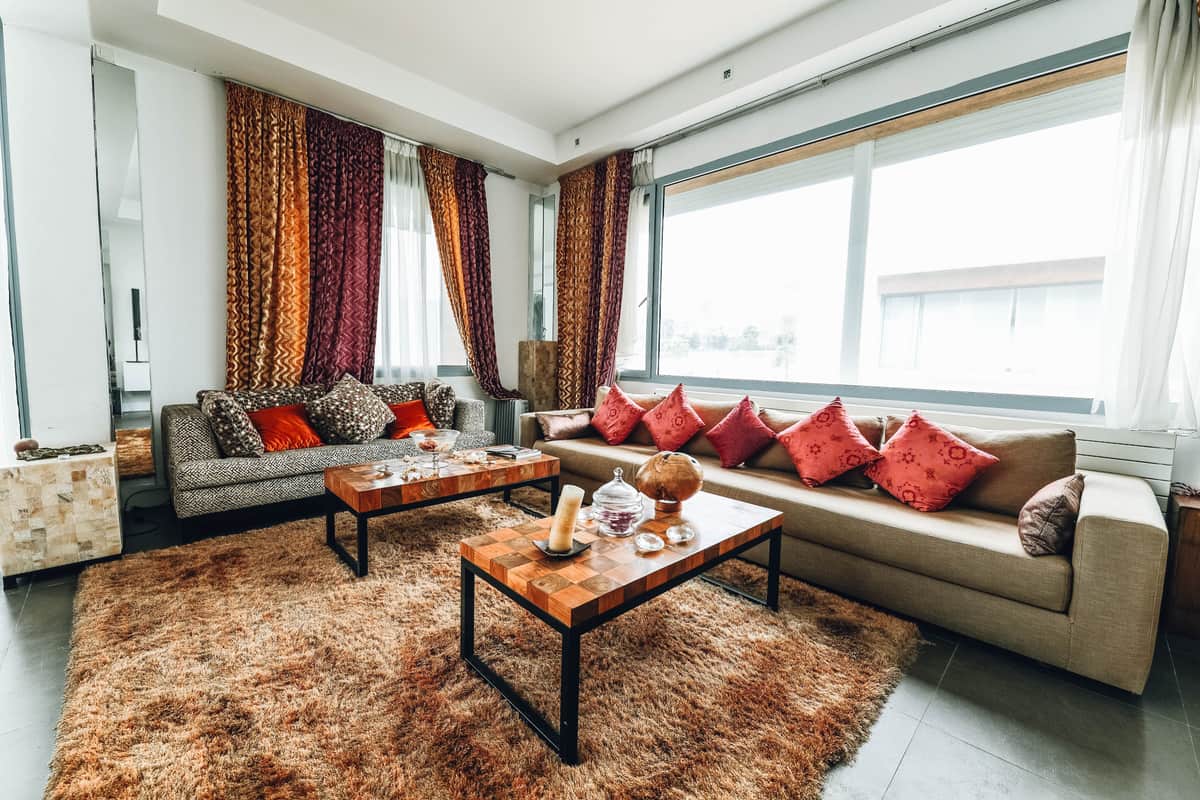
nuLOOM Textured Area Rug
Best for anchoring a room cheaply
An affordable textured rug that grounds a seating area and instantly makes a room feel finished.
Guides
A room-by-room plan that puts your money where it shows - and where to shop cheap.
By Catherine Vizcaino · Home-renovation pro & founder
Updated August 2026
As an Amazon Associate, I Heart My Home earns from qualifying purchases. It never changes your price or our picks. Learn more.
Decorating on a budget isn’t about buying cheap things — it’s about spending in the right order. The homeowners who make a small budget look big all do the same thing: they put money into the few changes that transform a whole room and go frugal on everything else. Do it backwards, and you can spend a fortune on accessories and still have a room that feels off.
This is the exact order I use on a tight-budget job, written as steps you can follow start to finish. It works whether you’re redoing one room or the whole house. Knowing how to decorate on a budget is really just knowing the sequence: fix the big, cheap, high-impact things first, then layer the rest as money allows.
A quick note on the picks below: Amazon prices move constantly, so you’ll see a Check price on Amazon button rather than a number I can’t promise. Everything here is chosen for value, not just a low sticker.
Best for anchoring a room cheaply
An affordable textured rug that grounds a seating area and instantly makes a room feel finished.
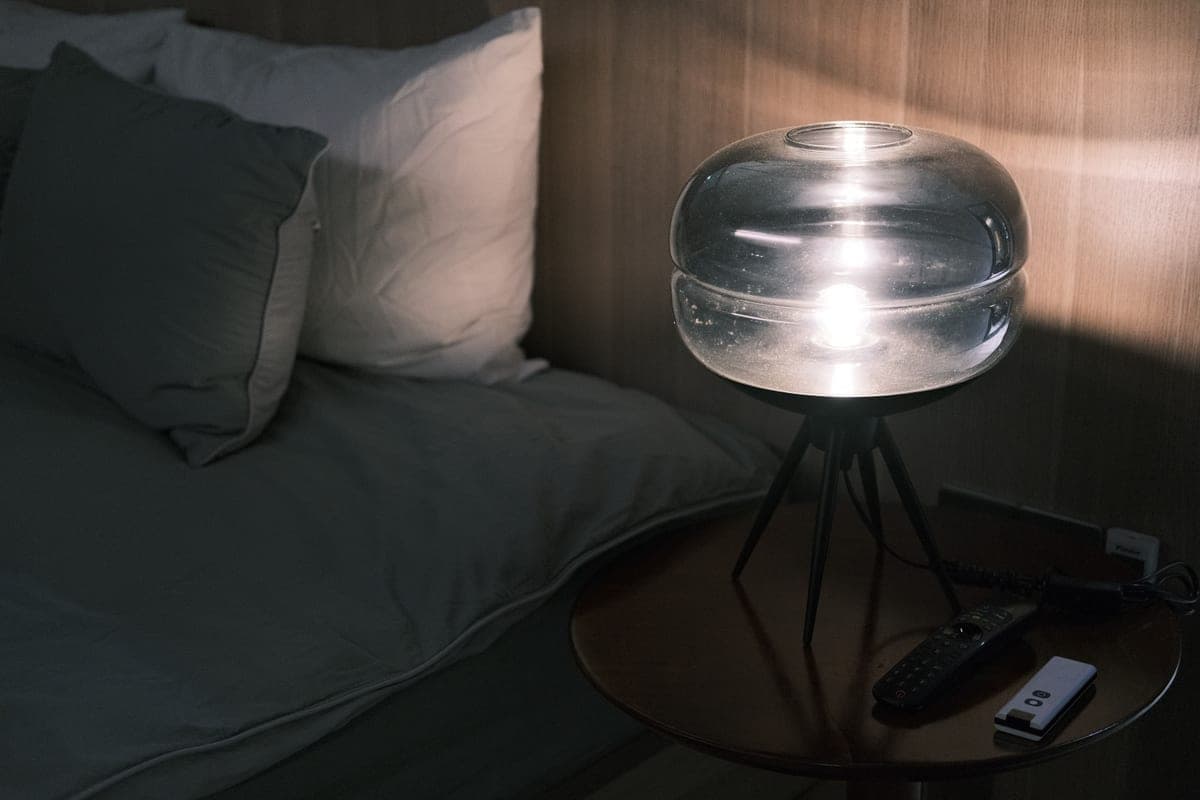
Best for warm layered lighting
A matched pair of lamps that adds the warm, layered light a single ceiling fixture can't.
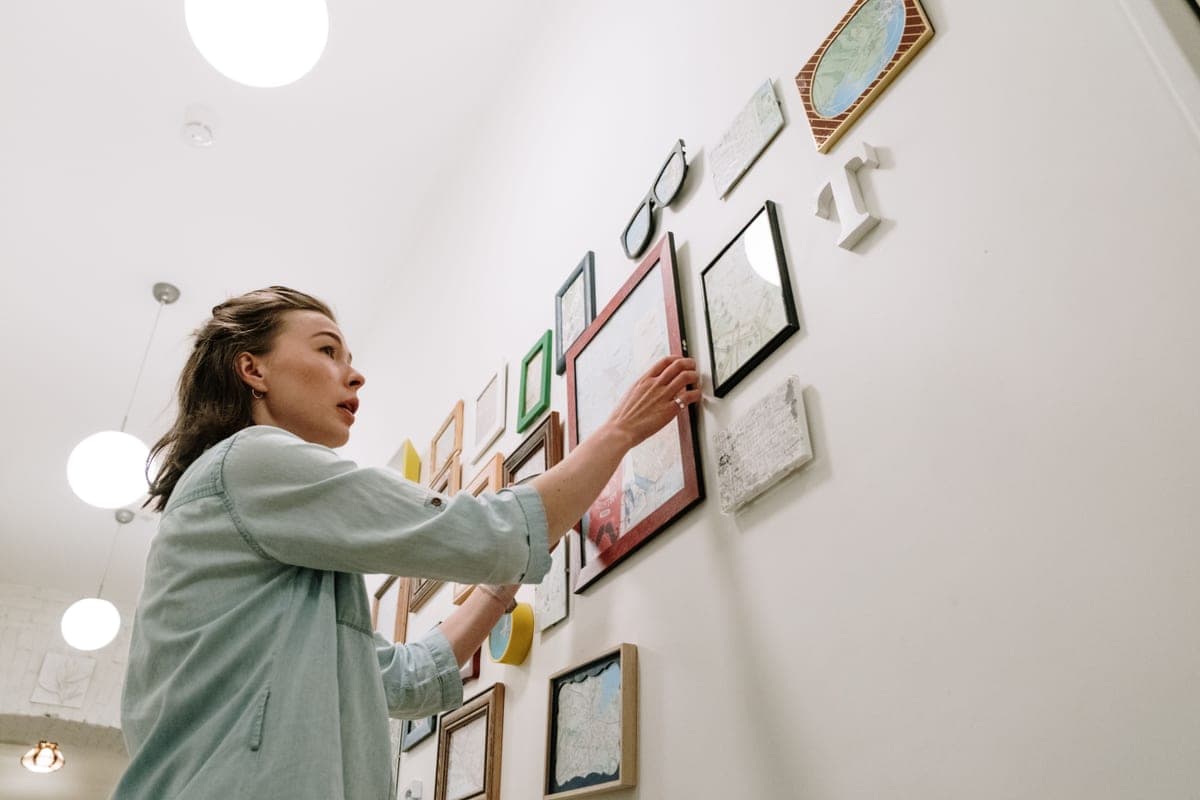
Best for filling blank walls
A coordinated set of framed prints that fills a big blank wall without a custom-framing bill.
Before you buy a single thing, decide your total number and split it. The most expensive way to decorate is to buy impulsively, room by random room, and end up with a pile of accessories and no foundation. Write down what each room needs, then rank by impact.
Not sure where a given room should start? Each of our room-by-room guides lays out the order for that specific space so you’re not guessing.
Paint is the best money you will ever spend on a room. A gallon or two changes walls completely; a quart revives a dresser or bookshelf. Nothing else on this list moves the needle as far for as little. Do this before you buy furniture, so your pieces get chosen to fit the finished color instead of the other way around.
Use good paint and a decent brush; cheap paint needs three coats to do one coat’s work, which erases the savings. For color help, the Sherwin-Williams color tools are free and genuinely useful, and if your home predates 1978, follow the EPA’s lead-safe practices before sanding anything.
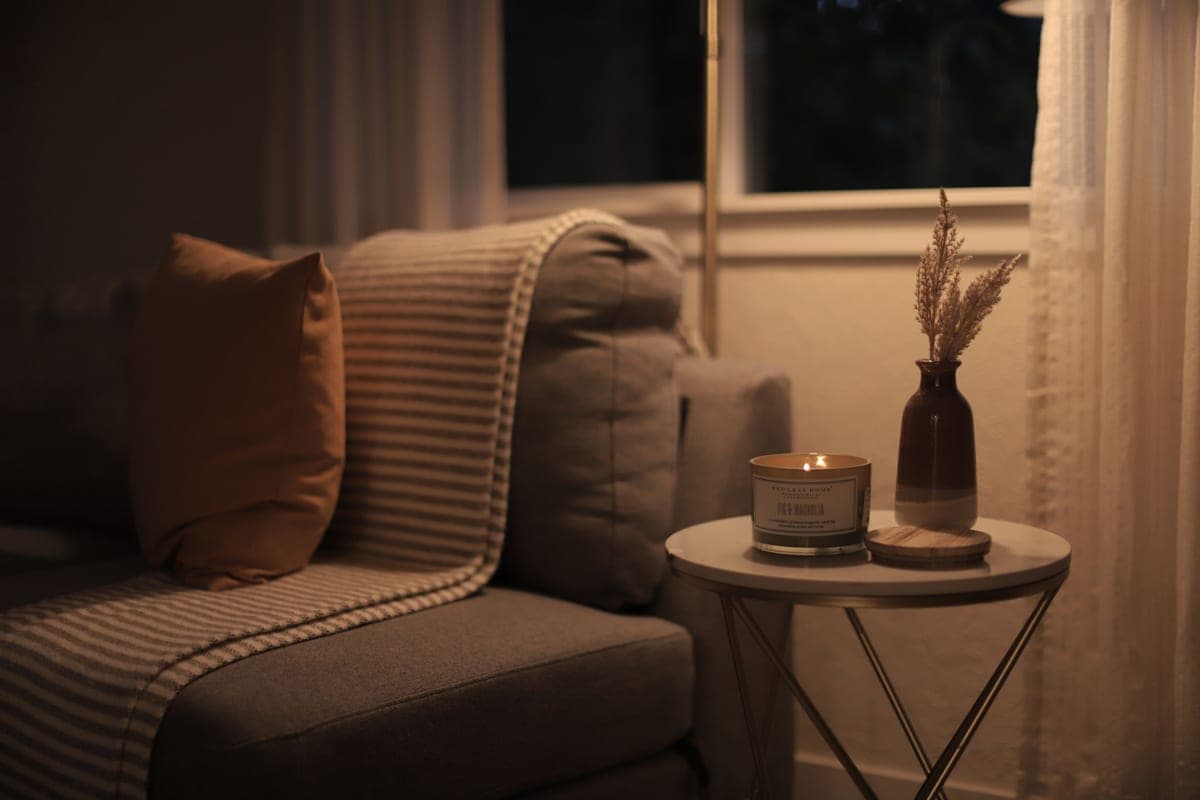
Lighting is the budget upgrade people forget, and it’s the reason so many rooms feel cold no matter what’s in them. A single overhead fixture flattens everything. The fix is cheap: layer the light and warm it up.
Choosing efficient bulbs also keeps running costs down — the ENERGY STAR bulb guide is a straightforward reference for what to look for. The matched lamp pair in my shop-the-look above is the single easiest way to warm a room up on a budget.
Textiles are what make a room feel warm, layered, and finished instead of empty. They’re also where the budget-versus-designer gap shrinks to almost nothing — a well-chosen affordable rug reads the same across the room.
Layering a small patterned rug over a larger neutral one, or mixing a few pillow textures, gives you that collected, custom look without custom prices.
A smart budget isn’t evenly spread — it’s lopsided on purpose. Put real money into the few things you touch daily or that are hard to replace, and save hard on the things that look identical cheap or expensive.
Worth the splurge:
Save every time:
The rule: spend where quality is felt or seen up close, save where a $20 version is indistinguishable from a $120 one. That’s most decor.
Once your plan is set, source strategically. Cheap doesn’t have to mean flimsy if you know what you’re looking at.
To spot a real deal, check the bones over the price tag: solid wood over veneer on particleboard, tight joints, and covers that zip off to wash. A cheap piece that’s well made beats a “designer” one that’s hollow inside.
If a whole house feels overwhelming, do it one room at a time and repeat the same sequence in each: paint, lighting, then the anchor piece, then textiles, then accessories last. Where you start depends on where you and your guests spend time.
Want the hands-on projects that fill in each room? Pair this with our DIY home decor ideas for the paint, gallery-wall, and thrift-flip how-tos.
Paint first, then lighting. They’re the cheapest changes with the biggest impact, and they set the stage for everything else. Buy furniture, rugs, and accessories afterward so they’re chosen to fit the finished color and warm light — not the other way around. Accessories always come last.
Fix the tells. Cheap rooms usually look cheap for the same reasons: a too-small rug, a single cold overhead light, and clutter. Right-size the rug, warm up and layer the lighting, hang curtains high and wide, hold to a tight color palette, and leave breathing room. Most of those are free or nearly free and make an outsized difference.
Painting wins as long as the piece has solid bones. A quart of paint and fresh hardware revives a dresser or table for a fraction of buying new, and a solid-wood secondhand piece is often better built than a cheap new one. Only replace when the structure is actually failing — see the furniture paint guide for the right product.
Use three sources together: vetted online value picks for accessories and textiles (start with our cheap home decor roundup), thrift and secondhand for solid-wood furniture, frames, and mirrors, and off-price stores for textiles when you shop from a list. Buy furniture for its structure and repaint, rather than paying extra for a finish you can redo yourself.
Lighting. Most people leave a single cold, blue-white overhead fixture doing all the work and wonder why the room feels like an office. Swap to warm-white bulbs, add lamps at a couple of heights, and put the key lights on a dimmer. It’s one of the cheapest changes you can make and one of the most transformative.
Browse the roundups I'd actually hand a client — honest picks, real trade-offs, and the one to buy first.