Seaside Village Arc Floor Lamp
Best for ambient light over seating
An arc floor lamp that throws soft ambient light out over a sofa or reading chair without needing a table beneath it.
#ad · disclosure · Price as of August 4, 2026
Guides
Why layered lighting is the number one thing that makes a room read as expensive.
By Catherine Vizcaino · Home-renovation pro & founder
Updated August 2026

As an Amazon Associate, I Heart My Home earns from qualifying purchases. It never changes your price or our picks. Learn more.
If you show me a room that feels cheap and I only get one thing to change, I change the lighting. After renovating a lot of homes, I am convinced that layered lighting is the single biggest “expensive” cue there is — bigger than the sofa, bigger than the art. A gorgeous room lit by one blue-white ceiling fixture will still feel like a waiting room, and a plain room lit in warm, layered light will feel like a boutique hotel.
The good news is that lighting is one of the cheapest upgrades in the house. You are not rewiring anything here; you are adding lamps, swapping bulbs, and putting a couple of key lights on a dimmer. This guide walks through the three layers — ambient, task, and accent — and the exact pieces I reach for. If you are lighting one specific room, start with my living room guide for placement.
One honesty note: Amazon prices move constantly, so you will see a Check price on Amazon button on the picks below instead of a number I cannot promise. For more ways to make a room look richer than it cost, browse home decor ideas.

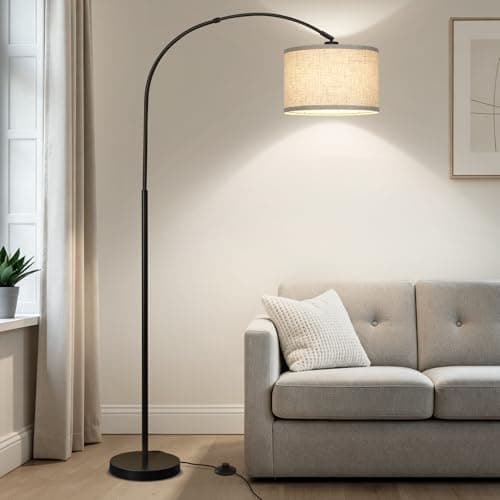
Best for ambient light over seating
An arc floor lamp that throws soft ambient light out over a sofa or reading chair without needing a table beneath it.
#ad · disclosure · Price as of August 4, 2026

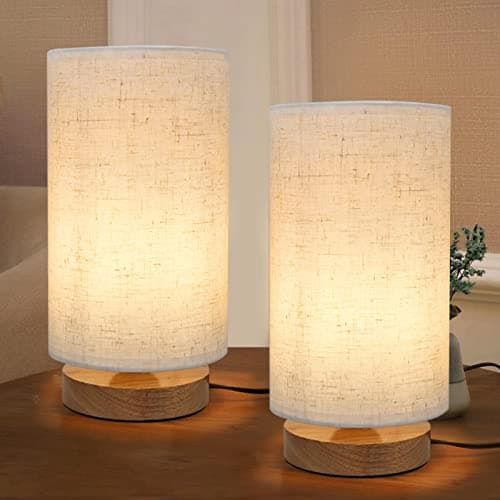
Best for warm light at eye level
A matched pair of table lamps that brings warm light down to eye level, where it flatters a room far more than overhead light.
#ad · disclosure · Price as of August 4, 2026

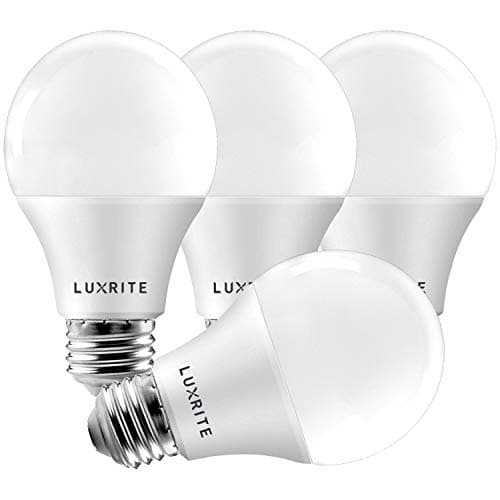
Best for the right color temperature
Warm 2700K LED bulbs that give every lamp in the house the same cozy, flattering color instead of a cold blue-white glare.
#ad · disclosure · Price as of August 4, 2026

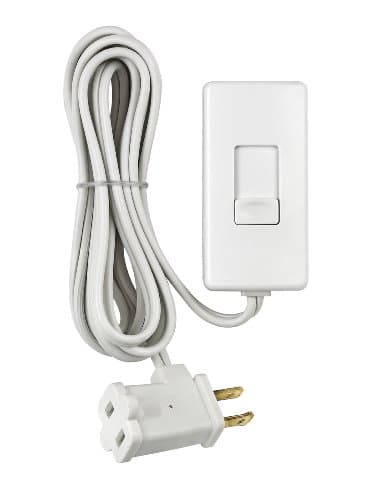
Best for dimming without rewiring
A plug-in dimmer that adds control to any lamp so you can drop the light level at night without touching the wiring.
#ad · disclosure · Price as of August 4, 2026

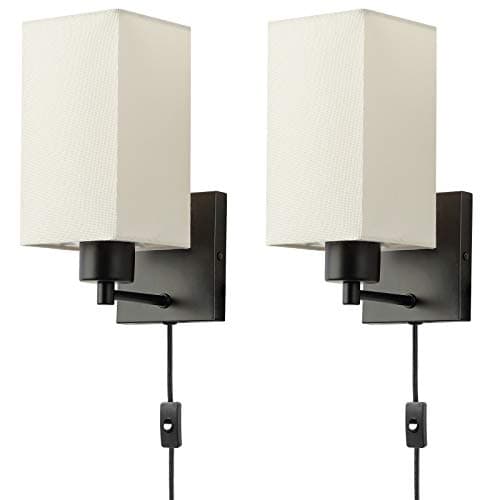
Best for light without floor space
A plug-in wall sconce pair that adds a layer of light at the wall, no hardwiring and no floor or table space needed.
#ad · disclosure · Price as of August 4, 2026

Best for soft accent glow
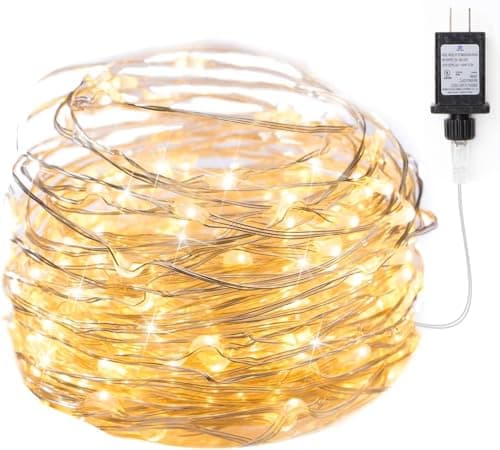
Delicate warm-white string lights that add a low accent glow to a shelf, headboard, or window for next to nothing.
#ad · disclosure · Price as of August 4, 2026
Ambient light is the general fill that lets you move through a room safely — the base layer everything else sits on top of. The mistake most homes make is stopping here, with a single overhead fixture doing all the work. One ceiling light flattens a room, casts hard shadows, and is the number one reason a space feels cold and unfinished.
Get the ambient layer spread out and warm, and you have already fixed most of what makes a room feel cheap. The next two layers are what take it from “fine” to “expensive.” For where these sources go in a specific space, my living room guide maps out placement.
Task light is focused light for a specific job: reading, cooking, working, putting on makeup. It is the layer that makes a room genuinely functional rather than just atmospheric, and it is what lets you turn the harsh overhead off and still see what you are doing.
The trick with task lighting is control. A dimmer or a smart plug lets the same lamp go from bright-enough-to-read to a low glow when the task is done, so it serves double duty as task and mood light. Task lamps flanking a sofa also happen to be one of the most styled looks in the room.
Accent light is the layer nobody strictly needs and the one that makes a room look designed. It is not there to help you see — it is there to add depth, highlight something, and give the room a soft after-dark glow. It is the difference between a room that is merely lit and a room that feels like a set.
You do not need all of these — one or two accent sources per room is plenty. But this is the layer people feel and cannot name. When a guest walks in and says a room feels “cozy” without knowing why, it is almost always the accent layer doing the work.
You can buy the perfect lamps and still get it wrong on two invisible settings: the color of the light and your ability to lower it. These two are where most homes quietly go cold, and both are cheap to fix.
For the technical side of choosing efficient warm bulbs, the U.S. Department of Energy’s LED lighting guide is a straightforward, unbiased reference. Get color and dimming right and even budget lamps will feel high-end — the same principle behind my decorate-on-a-budget guide.
Layered lighting means using three kinds of light together instead of relying on one ceiling fixture. Ambient is the general base wash you move around by, task is focused light for reading or working, and accent is the soft mood light that adds depth. Combining all three from different heights and directions is the single biggest reason a room feels warm and expensive instead of flat and clinical.
For living rooms, bedrooms, and anywhere you relax, use warm white bulbs around 2700K. That warm color is what reads as cozy and expensive. Cool white and daylight bulbs sit higher on the Kelvin scale and make a living space feel like an office or a hospital. The only places cooler light belongs are detailed task zones like a garage or a craft bench — never the rooms you unwind in.
Use a plug-in dimmer or a dimmable smart plug. A plug-in dimmer sits between the lamp cord and the outlet and lets you lower that lamp with no wiring at all, so it works even in a rental. The only requirement is dimmable bulbs — pair a non-dimmable bulb with a dimmer and you will get flicker and buzz. Put at least one key lamp in each room on a dimmer and the whole space feels more intentional at night.
Aim for at least three separate sources in a main room, spread out at different heights, instead of one bright fixture in the center. Three modest pools of light — say a floor lamp, a pair of table lamps, and an accent source — create the depth and warmth that make a room feel finished. A single central light does the opposite: it flattens everything and throws hard shadows. Spread the light and warm it up.
For most people, yes. Plug-in sconces give you the same custom, built-in look as hardwired ones without paying an electrician, and they come off the wall cleanly when you move — a real advantage for renters. The one trade-off is a visible cord, which a paintable cord channel hides in about ten minutes. Flanking a bed or a fireplace, a plug-in pair looks every bit as intentional as wired-in lighting.
Browse the roundups I'd actually hand a client — honest picks, real trade-offs, and the one to buy first.