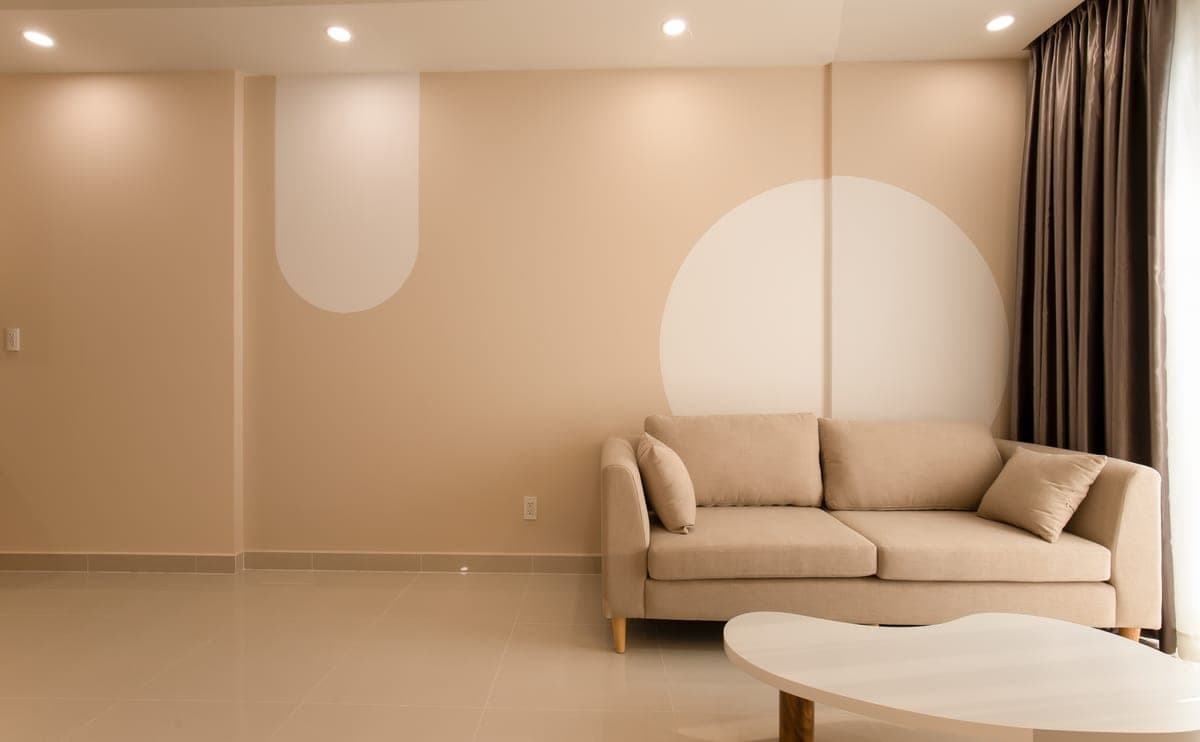
Rivet Sloane Mid-Century Modern Sofa
Best for the clean-lined anchor
A low, tight-back sofa on tapered legs that nails the mid-century silhouette without a restoration budget.
Styles
Clean lines, tapered walnut legs, and a warm 1960s palette, without the auction-house prices.
By Catherine Vizcaino · Home-renovation pro & founder
Updated August 2026
As an Amazon Associate, I Heart My Home earns from qualifying purchases. It never changes your price or our picks. Learn more.
Mid-century modern is the look almost everyone recognizes even if they cannot name it: low, clean-lined furniture, tapered wood legs, warm walnut tones, and the occasional organic curve. It is not a vague “retro” vibe either. Mid-century modern is a specific design movement that ran roughly from the mid-1940s to the mid-1960s, the post-war years when designers stripped ornament away and leaned into function, honest materials, and clean geometry. You can read the full history on Wikipedia, but the short version is that the good bones of this style are almost seventy years old, which is exactly why it still reads as timeless.
As someone who renovates homes for a living, mid-century modern (or MCM, as you will see it abbreviated) is one of the easiest looks to build well, because it rewards restraint instead of stuff. A few honest pieces with the right silhouette do most of the work: a low walnut credenza, a sofa on splayed legs, a warm lamp. It also plays nicely with almost anything you already own, which makes it a smart backbone for a living room refresh. If you are starting from scratch, our roundup of the best furniture on Amazon is a good companion to this page.
Below is a real shop-the-look you can order today, plus how I keep it from tipping into theme-park “Mad Men” territory. A quick honesty note: Amazon prices move constantly, so each card shows a Check price on Amazon button instead of a number I cannot promise. See our affiliate disclosure for how that works, and if you love warm wood and patina, the vintage look is a close cousin worth a look too.
Best for the clean-lined anchor
A low, tight-back sofa on tapered legs that nails the mid-century silhouette without a restoration budget.

Best for a sculptural second seat
A curved, upholstered accent chair on angled wood legs that stands in for a pricey designer shell chair.
Best for warm walnut tone
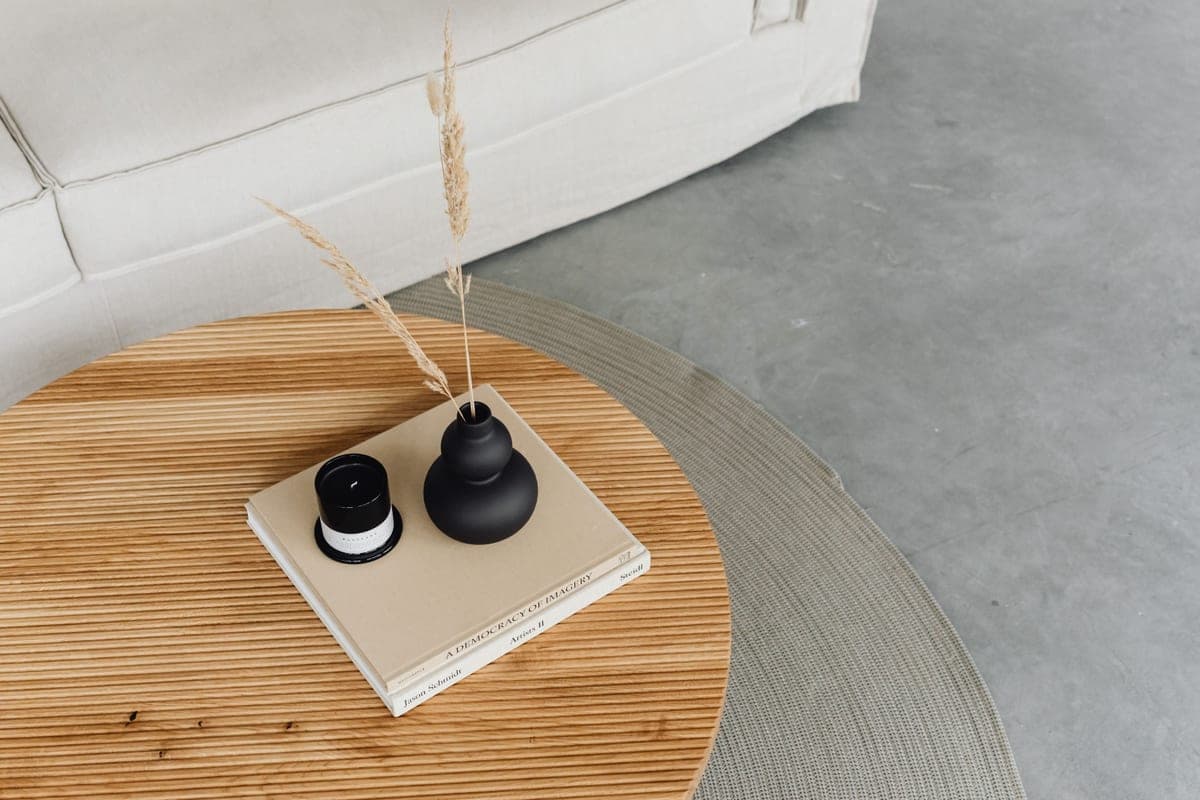
A walnut-finished coffee table on tapered legs, often with a small shelf, that ties the seating group together.
Best for the signature low storage piece
A long, low credenza on legs that doubles as a media console and is the most iconic MCM shape in the room.
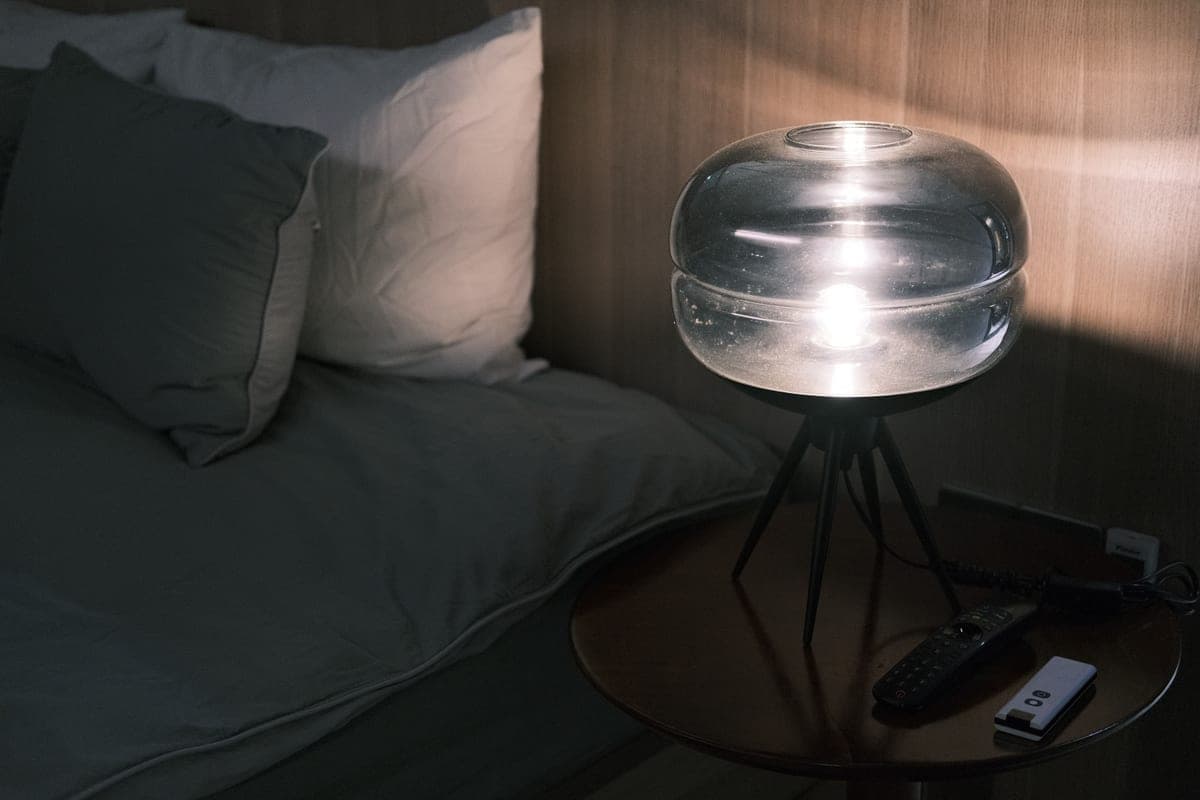
Best for warm, low light
A ceramic or wood-based lamp with a simple drum shade that adds the low, warm glow a mid-century room needs.

Best for period-correct color
A set of framed abstract or geometric prints in mustard, rust, and teal that pull the whole palette together.
Mid-century modern has a clear vocabulary, which is what makes it so approachable. At its core it is about clean lines, functional shapes, warm wood tones (walnut and teak above all), and the occasional organic curve to soften all that geometry. It is minimal, but it is not cold, because the wood and the warm palette keep it friendly.
The signals I look for when I am building the look:
Notice how much of that overlaps with the warm, wood-forward direction leading the 2026 decor trends. Brown is having a genuine moment, and mid-century modern has always lived in warm browns, which is a big part of why the look feels current again rather than dated.
The original mid-century icons cost real money, and honestly, most rooms do not need them. The formula I use is to buy one or two anchor pieces with the right shape, then let inexpensive accents carry the color. You are buying the silhouette, not the signature.
For affordable pieces to layer in, see our roundups of the best furniture on Amazon and the best cheap home decor. If you are working with a tight number, our guide to decorating on a budget covers where to spend and where to save.
Mid-century modern is happiest in open, social spaces. A living room is the obvious home for it: a low sofa, a walnut coffee table, a credenza along one wall, and a warm lamp is a complete, calm scheme that never feels busy. It also suits a dining area beautifully, since the era practically invented the leggy table-and-chairs set.
A word of caution from the field: there is a fine line between “mid-century modern” and a costume. Piling on every atomic-era cliché at once — starburst clock, boomerang print, sunburst mirror, shag rug — tips the room into a theme. I keep the furniture true to the period and the palette warm, then stop. If you love collected warmth and patina, the vintage look is a natural next step, and if you want the same clean lines with a lighter, paler palette, look at Scandinavian style, which shares mid-century’s minimalist DNA.
Mid-century modern is a design movement from roughly the mid-1940s to the mid-1960s, described in more depth on Wikipedia. It is built on clean lines, functional shapes, warm woods like walnut and teak, tapered legs, and the occasional organic curve. It is minimal but never cold, and that mix of restraint and warmth is why the look still feels current.
Yes, and it is aging well. Mid-century modern has been a mainstream favorite for years, and the warm, wood-forward palette leading the 2026 decor trends — heavy on browns and warm neutrals — plays directly to the style’s walnut-and-mustard strengths. It reads as timeless rather than trendy.
Start with warm walnut and teak wood tones, then build a palette around mustard, rust or burnt orange, olive, and teal, grounded by warm neutrals like cream and camel. Cool grays and stark white tend to fight the wood, so I use them sparingly if at all. Bringing that color in through art and lamps is cheaper and easier to change than committing it to a sofa.
You do not need to start over. Keep your simple, neutral pieces as the backdrop and introduce mid-century through shape and wood tone: add one credenza, a tapered-leg coffee table, or a curved accent chair, and warm up the lighting. Repeating a single walnut tone across two or three pieces is what makes a mixed room read as intentional. Our best furniture roundup and living room ideas both show how to layer new shapes onto what you have.
Mid-century modern is a fixed historical style from roughly 1945 to 1965, with warm woods, tapered legs, and a defined palette. Contemporary, by contrast, just means what is current right now, so it shifts over time and leans toward cooler neutrals and mixed materials. In other words, mid-century modern is a specific, nameable look, while contemporary is a moving target.
Browse the roundups I'd actually hand a client — honest picks, real trade-offs, and the one to buy first.