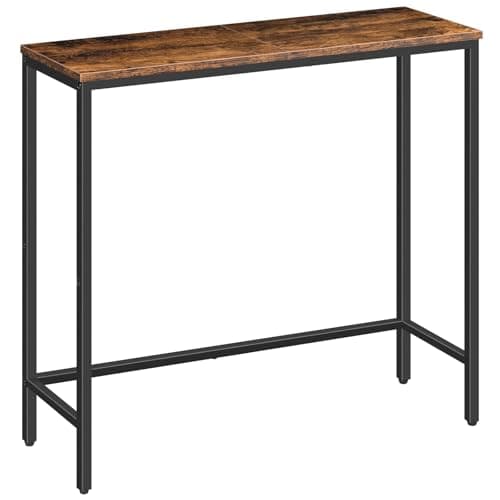
HOOBRO 29.5-Inch Narrow Console Table
Best for the anchor surface
A slim console table that gives an entryway a landing surface without eating the walkway.
$28.48 · View on Amazon
#ad · disclosure · Price as of August 4, 2026
Rooms
The shop-the-look and the surface-mirror-catchall formula I use to make a front entry feel welcoming and stay tidy.
By Catherine Vizcaino · Home-renovation pro & founder
Updated August 2026
As an Amazon Associate, I Heart My Home earns from qualifying purchases. It never changes your price or our picks. Learn more.
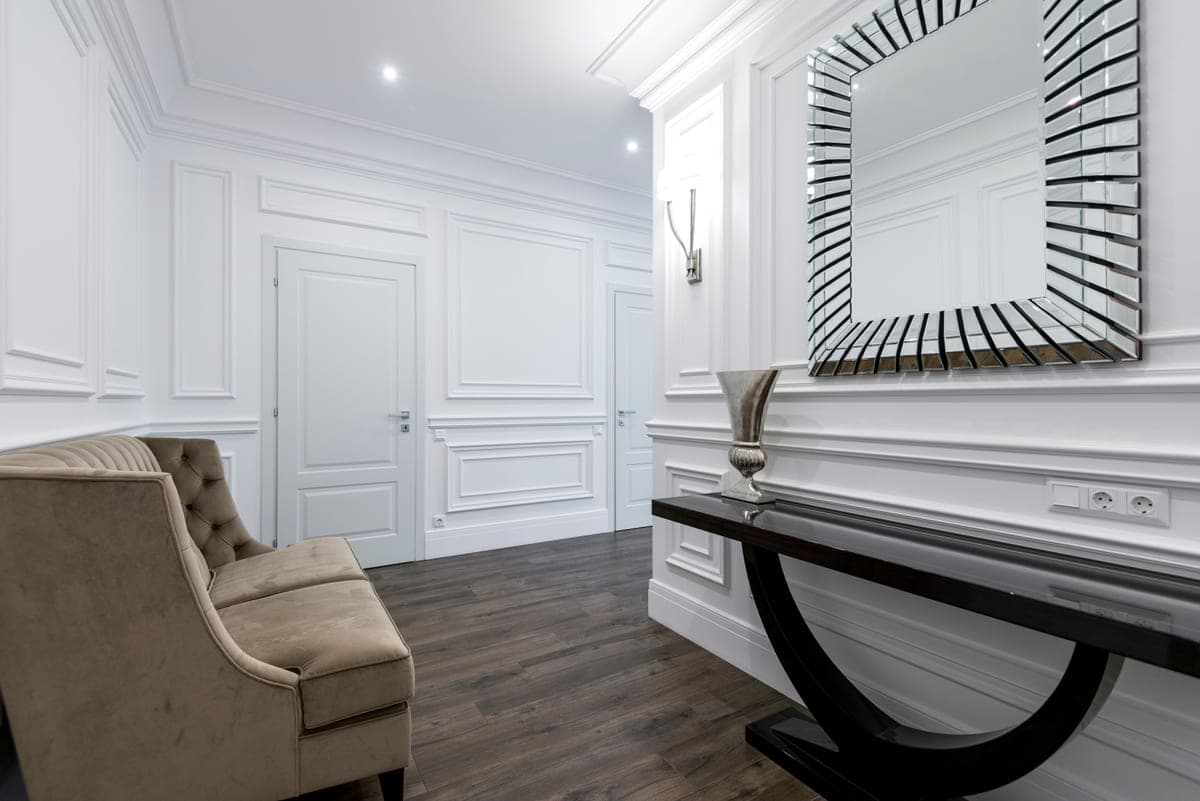
The entryway is the first thing anyone sees and the last thing most people decorate, and that mismatch is why so many front entries end up as a drop zone of keys, mail, and shoes. It does not take much square footage to fix — even a two-foot strip of wall can carry a real entryway. After setting up plenty of them, I have found the ones that stay tidy all follow the same short formula, and the ones that feel welcoming all solve for light and a place to land.
The formula is simple: a surface, a mirror, and a place for the small stuff, then a spot to sit and a warm light. A console or a few hooks give coats and bags a home, a mirror bounces light and lets you check yourself on the way out, and a catchall tray stops keys and mail from scattering. Below is the shop-the-look I’d build a welcoming, low-clutter entryway around. For more inspiration by room and style, start with our home decor ideas.
As always, Amazon prices move, so each pick shows a Check price on Amazon button instead of a number I cannot promise. Want a wider look at accents and finishing pieces? Our home decor items guide is a good next stop.
Best for the anchor surface
A slim console table that gives an entryway a landing surface without eating the walkway.
#ad · disclosure · Price as of August 4, 2026
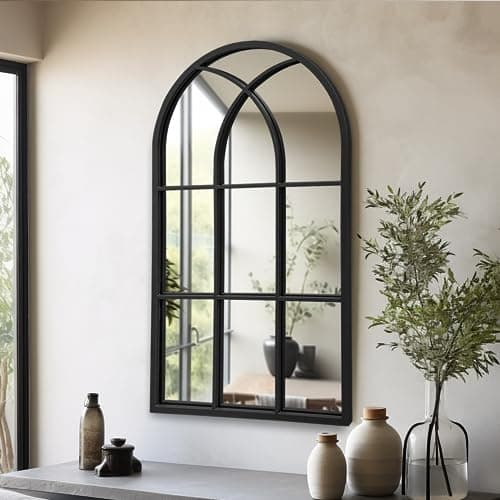
Best for bouncing light
An arched windowpane mirror that bounces light into a dim entry and adds architectural shape.
#ad · disclosure · Price as of August 4, 2026
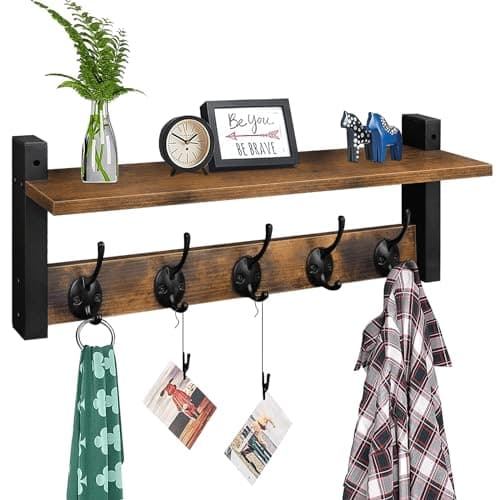
Best for coats and keys
A wall-mounted rack with hooks and a small shelf that gives coats, bags, and keys a home.
#ad · disclosure · Price as of August 4, 2026
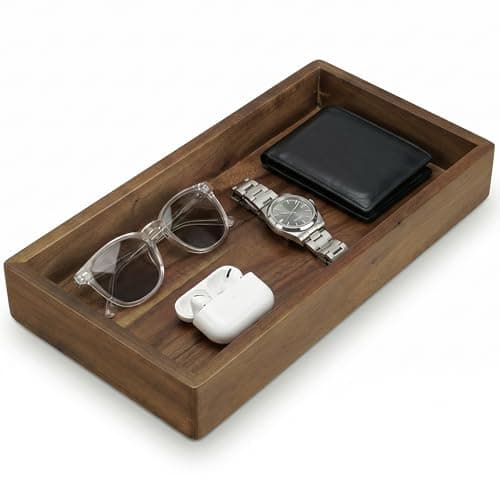
Best for keys and small stuff
A small wood tray that catches keys, wallet, and change so they stop scattering across the console.
#ad · disclosure · Price as of August 4, 2026
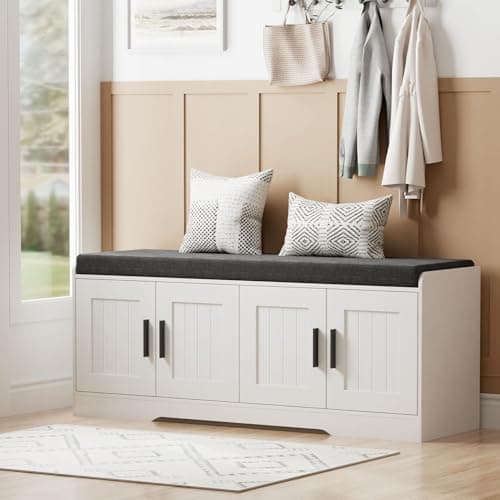
Best for a seat and shoe storage
A cushioned bench with hidden shoe storage - a place to sit and a place to stash in one piece.
#ad · disclosure · Price as of August 4, 2026
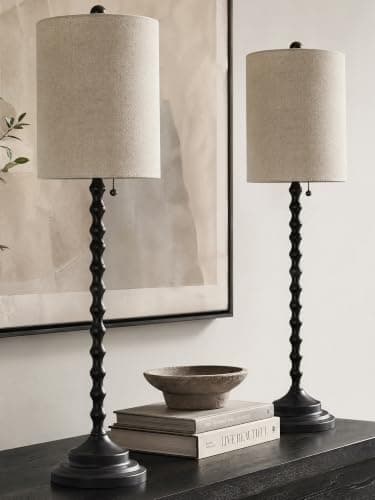
Best for a warm welcome glow
A slim console lamp that adds a warm, welcoming glow the second you walk in the door.
#ad · disclosure · Price as of August 4, 2026
Every entryway that works — big or tiny — comes down to three jobs, and once you name them the shopping gets easy. First, a surface or hooks so coats, bags, and keys have a home instead of landing on a chair. Second, a mirror to bounce light into a usually-dark spot and let you check yourself on the way out. Third, a catchall — a tray or bowl — so the small everyday-carry stops scattering.
Nail those three and you have a real entryway. Everything after — a bench to sit on, a lamp for warmth, a plant, a piece of art — is a bonus layer that makes it feel finished. The reason to work in this order is that the three core jobs are what keep the space tidy, and a tidy entry is the whole point; the decor is easy once the function is solved. For the trays, baskets, and organizers that carry the catchall job, our home goods guide has the picks.
Most homes do not have a grand foyer — they have a slice of wall by the door, or an apartment where the door opens straight into the living room. Both still get a real entryway; you just go vertical and shallow. Where a console will not fit, a wall-mounted rack with hooks and a small shelf delivers the same surface-plus-hooks function with zero floor footprint. Where there is a sliver of floor, a 10- to 14-inch-deep console keeps the walkway clear while still giving you a landing spot.
In an open-plan space, define the entry with a small rug and a mirror even if there is no wall to lean on — the rug draws the boundary and the mirror signals “this is the door.” The clearance rule I keep is at least 36 inches of clear passage through the entry so it never feels like a squeeze. Get the scale right for the space you actually have, and even a two-foot strip reads as an intentional entryway rather than a leftover corner. For more small-space thinking, our living room ideas cover working with tight footprints too.
The entry is the darkest, coldest-feeling spot in most homes — no windows, hard floors, a door that lets in a draft — so the last move is to warm it up. A table lamp on the console does more here than almost anywhere else in the house, because it swaps the flat overhead light for a low, golden glow the moment you walk in. Put it on a timer or a smart plug and you come home to a lit, welcoming entry instead of a dark one.
A runner underfoot is the other warming move: it softens a hard floor, quiets footsteps, and catches the grit that comes in on shoes before it travels through the house. Together, a warm lamp and a good runner turn a cold passage into a genuine welcome. For more accents to finish the look, browse our home decor items and lean into whatever style the rest of your home already speaks.
Keep it narrow. A console 10 to 14 inches deep gives you a real landing surface without narrowing the walkway. The rule I use is to leave at least 36 inches of clear passage after the console projects from the wall, so people can pass without turning sideways. In a very tight entry, wall-mounted hooks with a shelf can replace a console entirely.
Create one where the door lands. A small rug defines the boundary, a mirror or piece of art signals the entry, and a wall-mounted hook rack or a slim console gives coats and keys a home. In an open plan, the rug plus a mirror does most of the work of telling the eye that this spot is the front door.
For a mirror, aim for the center around eye level — roughly 57 to 65 inches from the floor — and position it to bounce light from a door sidelight, window, or lamp. For coat hooks, about 60 inches up suits adults; add a lower row around 40 inches for kids so their coats actually land on a hook instead of the floor.
Match the runner to the path and leave a few inches of floor showing on all sides. A 2-by-6 or 2-by-8 foot runner suits most hallways and narrow entries. Choose a low-pile, washable rug — the entry catches the most grit and moisture of anywhere in the house — and add a non-slip pad on hard floors so it does not travel.
Give every kind of clutter a designated home before it lands: hooks for coats and bags, a tray for keys and everyday carry, a bench or basket for shoes, and a spot for mail. Clutter piles up when things have nowhere to go; the moment each item has an obvious home, the surface stays clear. Then empty the catchall every week or two so it does not silently fill.
Browse the roundups I'd actually hand a client — honest picks, real trade-offs, and the one to buy first.